India is strategically pushing for a dedicated chapter on critical minerals in its ongoing free trade agreement negotiations with Peru, marking a significant move to secure essential raw materials for its green energy and technology sectors. The proposal, currently under active consideration by Peruvian authorities, represents India's growing focus on mineral security as it transitions toward renewable energy and electric mobility.
Peru Studies India's Strategic Mineral Proposal
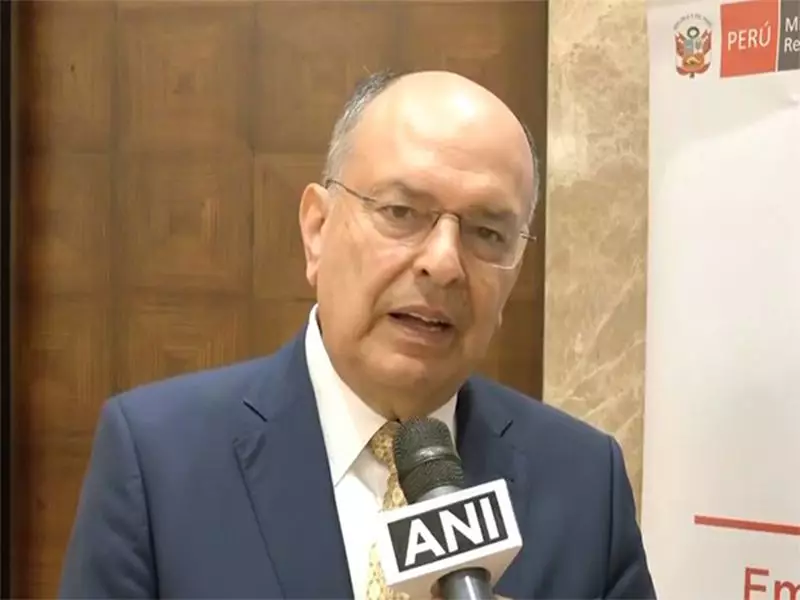
Peruvian Ambassador to India, Carlos Antonio Polo Castaneda, has confirmed that his country is thoroughly examining India's demand for a separate chapter specifically addressing critical minerals within the comprehensive trade agreement. The ambassador revealed this development during an exclusive interview with PTI, highlighting the importance both nations place on this strategic partnership.
Critical minerals have emerged as a cornerstone of modern technology and clean energy infrastructure. These minerals, including lithium, cobalt, and rare earth elements, are essential components in electric vehicle batteries, solar panels, wind turbines, and various electronic devices. India's push for a dedicated chapter underscores its commitment to securing stable supplies of these vital resources.

Expanding Bilateral Trade Relations
The proposed free trade agreement between India and Peru represents a significant milestone in their economic relationship. Both countries initiated negotiations for a comprehensive trade pact in 2017, aiming to boost bilateral commerce and investment flows. While multiple rounds of discussions have taken place, the critical minerals chapter has become a pivotal element in recent negotiations.
India's trade relationship with Peru has shown promising growth in recent years. According to available data, bilateral trade between the two nations reached approximately $3.12 billion during the 2022-23 fiscal year. This figure demonstrates the substantial economic potential that a well-structured trade agreement could unlock for both economies.
Peru holds strategic importance for India as it ranks among the world's top mineral producers. The South American nation is particularly renowned for its copper, silver, zinc, and tin production. More significantly, Peru possesses substantial reserves of critical minerals that align perfectly with India's technological and energy security requirements.
Strategic Implications for India's Green Transition
The inclusion of a critical minerals chapter in the FTA would provide India with enhanced access to resources crucial for its ambitious renewable energy and electric vehicle targets. This move aligns with India's broader strategy to reduce dependency on single-source suppliers and diversify its mineral import sources.
India has been actively pursuing similar critical mineral partnerships with other resource-rich nations, recognizing the geopolitical importance of securing these essential materials. The country's electric vehicle manufacturing plans and solar energy expansion initiatives heavily depend on reliable access to critical minerals, making the Peru FTA negotiations particularly significant.
The Peruvian government's willingness to study India's proposal indicates a mutual recognition of the strategic importance of critical minerals in global trade dynamics. Both nations stand to benefit from a structured framework that facilitates mineral trade while ensuring sustainable mining practices and fair market conditions.
As the negotiations progress, industry experts anticipate that the critical minerals chapter could include provisions for technology transfer, joint ventures in mining and processing, and collaborative research initiatives. Such comprehensive cooperation would not only secure India's mineral supply chains but also contribute to Peru's technological advancement in mineral processing.
The successful incorporation of a critical minerals chapter in the India-Peru FTA could serve as a template for future trade agreements with other mineral-rich countries. It represents a forward-looking approach to international trade that acknowledges the evolving needs of green technology and sustainable development.