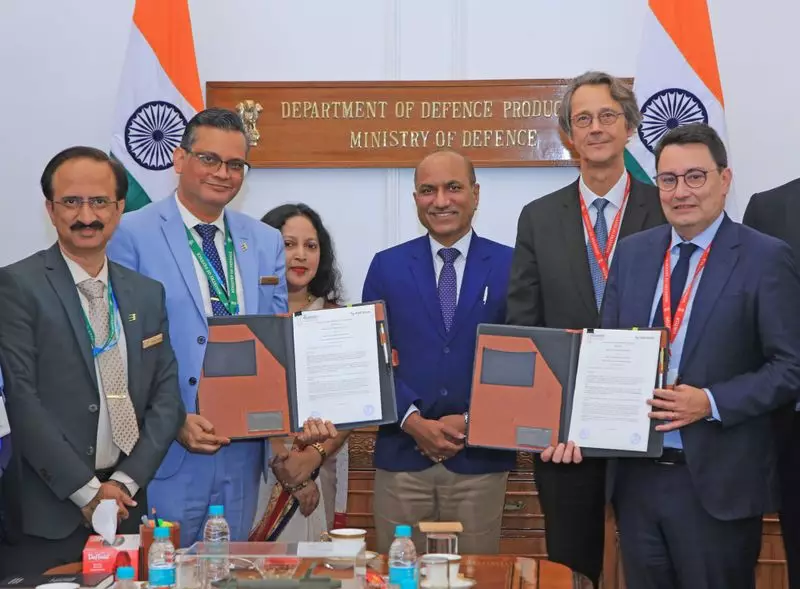
In a significant boost to India's defense capabilities and the Make in India initiative, the highly sophisticated HAMMER missiles used by the Indian Air Force's Rafale fighter jets will now be manufactured within the country. This development marks a crucial step toward self-reliance in defense technology.
From French Imports to Indian Production
The decision to localize production comes after the missiles proved their effectiveness during Operation Sindoor in 2019, where they demonstrated precision strike capabilities. The HAMMER (Highly Agile Modular Munition Extended Range) missiles are air-to-ground precision weapons manufactured by French defense giant Safran.
Under the new arrangement, Safran will partner with an Indian company to establish manufacturing facilities within India. This partnership will not only meet the requirements of the Indian Air Force but also position India as a potential exporter of these advanced weapons systems to other countries operating Rafale aircraft.

Strategic Importance and Capabilities
The HAMMER missile represents cutting-edge military technology with a range of over 60 kilometers, allowing aircraft to engage targets from safe distances. These weapons can be launched from various altitudes and are particularly effective against fortified underground installations, bunkers, and other high-value targets.
What makes these missiles particularly valuable is their all-weather, day-and-night operational capability. They utilize advanced guidance systems including GPS and infrared homing, ensuring pinpoint accuracy even in challenging combat conditions.
Boosting India's Defense Ecosystem
This manufacturing initiative aligns perfectly with the Indian government's vision of achieving self-reliance in defense production. By bringing advanced missile technology to Indian soil, the project will create high-skilled jobs, transfer critical technology, and strengthen the domestic defense manufacturing ecosystem.
The localization of HAMMER missile production represents more than just military preparedness; it signifies India's growing stature as a defense manufacturing hub. This move will reduce dependency on imports, conserve foreign exchange, and potentially generate revenue through exports to friendly nations.
As India continues to modernize its armed forces, such strategic partnerships and technology transfers will play a crucial role in building a robust defense industrial base capable of meeting future security challenges.