

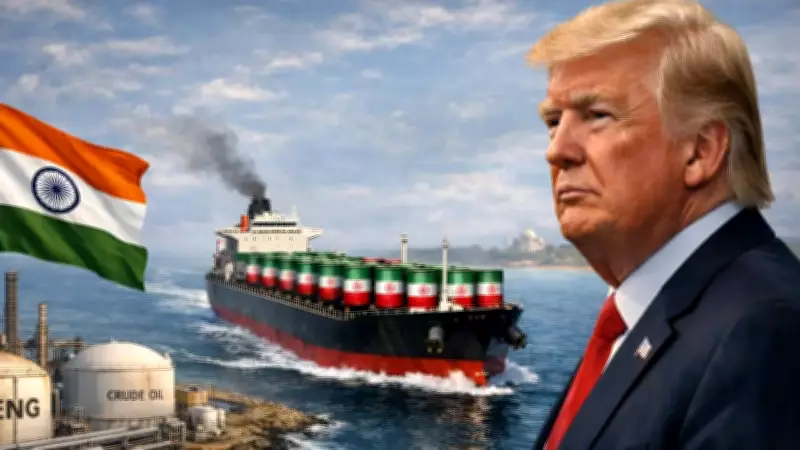
In a significant development amid the ongoing Middle East conflict, India has successfully imported approximately 4 million barrels of crude oil from Iran. This marks the first such procurement in nearly seven years, highlighting a strategic move to bolster energy supplies as global tensions escalate.
Urgent Supply Acquisition Ahead of U.S. Deadline
India, heavily reliant on imported energy and vulnerable to price fluctuations, is acting swiftly to secure crude ahead of a critical deadline set by the Donald Trump administration, which expires over the weekend. The nation has felt the impact of disruptions in global oil flows following strikes by the United States and Israel on Iran since late February.
To manage this precarious situation, India has utilized temporary waivers granted by Washington. These waivers permitted purchases of previously restricted Russian and Iranian crude, aimed at easing global oil prices. One waiver has already lapsed, while another is set to expire imminently unless extended at the last moment.

Key Shipments and Operational Details
According to a Bloomberg report citing sources and vessel-tracking data from intelligence firms Kpler and Vortexa, the very large crude carrier Jaya, fully loaded with Iranian oil, is currently unloading its cargo at Paradip on India’s eastern coast. Another tanker, Felicity, is conducting similar operations at Sikka on the western coast.
Both vessels, which are under U.S. sanctions, are expected to depart Indian ports by Friday, based on port documents reviewed by Bloomberg News. Indian Oil Corporation handles crude shipments at Paradip, while Sikka is utilized by Reliance Industries and Bharat Petroleum Corporation, which operates a single-point mooring facility in the area.
Challenges and Strategic Adjustments
India had been a major importer of seaborne Russian crude until last year, rapidly increasing those purchases. However, refiners have encountered greater difficulties in sourcing and paying for Iranian shipments due to persistent financial sanctions. Earlier this month, India indicated its intention to procure crude from Iran, among other sources, to address ongoing supply strains.
The arrival of cargoes carried by the tankers Jaya and Felicity, both under U.S. sanctions for their role in transporting Iranian oil, suggests that alternative arrangements have been implemented to facilitate these imports. Meanwhile, another Iran-linked vessel, Derya, is currently positioned off India’s western coast with a full load of crude.
The tanker had taken on cargo at Kharg Island in late March but may have missed the deadline tied to the U.S. waiver. It is currently signaling that it is awaiting further instructions, indicating that it has yet to secure a destination port.
Broader Implications and Future Outlook
This move underscores India’s proactive approach to navigating complex geopolitical and economic landscapes. By securing Iranian crude, India aims to mitigate the effects of supply disruptions and stabilize its energy imports. The situation remains fluid, with potential extensions of U.S. waivers and ongoing Middle East conflicts influencing future decisions.
As global oil dynamics continue to evolve, India’s reliance on diverse sources and strategic partnerships will be crucial in ensuring energy security and economic stability.






