For much of 2025, American shoppers enjoyed a surprising reprieve. Despite a wave of new trade tariffs announced in April, the predicted surge in consumer prices never fully materialised. However, global companies are now running out of options to shield customers from higher costs, setting the stage for a potential inflationary hit in 2026 that could challenge both household budgets and Federal Reserve policy.
The Great Tariff Dodge of 2025
The final consumer price report for 2025 revealed that core inflation, which excludes volatile food and energy prices, grew by 2.6% in the year through November. This figure was notably lower than the 3% economists had forecast and left inflation slightly below where it started in January. This outcome defied widespread expectations that the "torrent of trade levies" imposed in April would slow economic growth and drive prices up sharply.
Several factors contributed to this muted effect. First, the actual tariff rates never reached the dramatic levels initially suggested. In April, President Donald Trump had pointed to a poster board showing a 10% "baseline" tariff on most countries and reciprocal tariffs as high as 50%. "The president decided to back off significantly from what he said he would do," noted Erica York, Vice President of Federal Tax Policy at the Tax Foundation.

According to a working paper by Harvard's Gita Gopinath and the University of Chicago's Brent Neiman, the overall headline tariff rate peaked at 32.8% in April but fell to 27.4% by September. Crucially, the actual rate of tariffs paid rose gradually from around 5% in March to 14.1% by the end of September. Implementation delays, widespread exemptions for goods like semiconductors, and ongoing trade talks created uncertainty, causing companies to delay passing costs to consumers.
The Looming Squeeze on Corporate Margins
Companies employed a variety of tactics to avoid immediate price hikes. Some raced to import goods between the announcement and implementation of tariffs, building up low-cost inventory. Others negotiated with foreign vendors to share the cost burden or switched suppliers to countries facing lower levies. The absence of widespread retaliatory tariffs from other nations also provided relief.
However, these are temporary fixes. "Companies that have bragged about eating the tariffs through lower profits can’t do that forever," said Jessica Riedl, a fellow at the Brookings Institution. She warns that once stock investors begin punishing companies for falling profit margins, "the dam has to break. When one industry leader begins passing the tariffs onto the customers, that in turn makes it easier for competitors to do the same."
This gradual passthrough is a key finding of research by Harvard professor Alberto Cavallo of the Harvard Business School Pricing Lab. He estimates that without the tariffs, inflation would have likely declined to about 2.2% this year. The uncertainty has caused a slow, measured response from businesses. "Tariff passthrough is gradual, particularly when there is so much uncertainty," Cavallo stated.
Testing the Consumer's Limits in 2026
Recent corporate earnings calls reveal a shifting strategy. Executives are now signalling an end to absorbing costs and are beginning to test the market's tolerance for higher prices.
Richard Westenberger, Chief Financial Officer of children's clothing seller Carter's, explicitly stated on an earnings call, "It was never our intention to fully cover the cost of tariffs here in the second half of 2025. It was too fluid of a situation." He confirmed the company plans to raise prices next year in response to the tariffs.
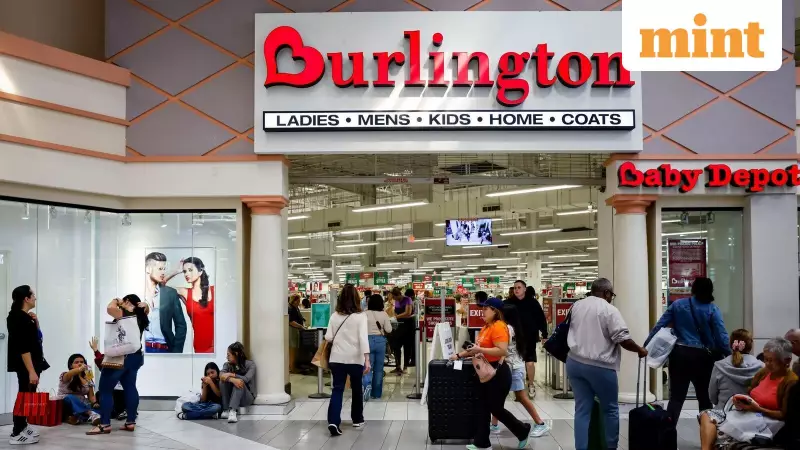
Similarly, Michael O'Sullivan, CEO of Burlington Stores, shared insights from price tests conducted in the third quarter. "We’ve tried some higher prices. And in Q3, when we saw other retailers take prices up, we tested higher retails in some categories... We saw very little resistance from customers. So going forward, I would say that we will probably get more aggressive," he said on the company's November earnings call.

This emerging trend presents a fresh dilemma for the Federal Reserve. The central bank is under pressure to lower interest rates even as inflation remains stubbornly above its 2% target. The prospect of companies finally passing through tariff costs could keep inflation stuck near 3% for an extended period, complicating monetary policy decisions.
Adding another layer of uncertainty, the US Supreme Court is expected to rule soon on whether President Trump broke the law by using emergency powers to implement the tariffs. A ruling against the administration could create a temporary policy vacuum, though White House officials have stated they would use other authorities to reassemble the tariffs. For businesses, this legal ambiguity may further delay investment and pricing decisions.
As 2026 approaches, the buffer that protected consumers in 2025 is wearing thin. Barring further dramatic changes in trade policy, the gradual passthrough of tariff costs appears inevitable, setting the stage for the inflationary shock that was postponed, not cancelled.