In a significant policy shift, the European Union has decided to relax its previously announced blanket ban on the sale of new internal combustion engine (ICE) vehicles from 2035. The landmark decision, reached on December 17, 2024, introduces a crucial exemption for cars that run exclusively on synthetic, carbon-neutral e-fuels.
The Core of the New Compromise
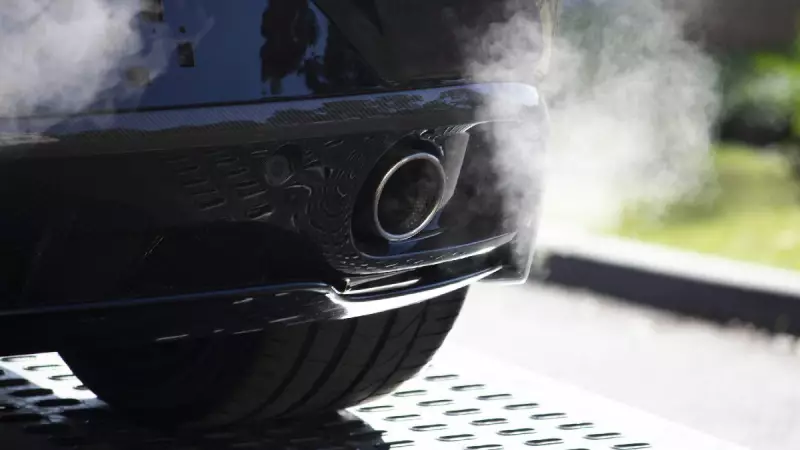
The original regulation mandated that by 2035, all new cars sold in the EU must have zero tailpipe emissions, effectively banning petrol and diesel engines. The updated agreement, however, carves out a pathway for the continued registration of new ICE vehicles after 2035, provided they use only e-fuels. These synthetic fuels are manufactured using captured carbon dioxide and green hydrogen produced from renewable electricity, aiming for a closed carbon cycle.
The European Commission is now tasked with creating a detailed legal mechanism by 2025 to define how these "e-fuel only" vehicles will be certified and tracked. This process will involve strict monitoring to prevent fuel fraud and ensure compliance. The compromise emerged after intense negotiations, primarily driven by Germany's push to safeguard its powerful automotive sector and preserve future technological options.

Industry Reactions and Global Context
The decision has sent ripples through the global automotive landscape. European automakers, particularly those with significant investments in advanced ICE technology, have welcomed the flexibility. It offers them an alternative route to decarbonization alongside the accelerated push for battery electric vehicles (BEVs). Proponents argue it keeps consumer choice alive and supports industries tied to traditional engine manufacturing.
However, the move has drawn criticism from environmental groups and some lawmakers. They argue that it dilutes the clear signal for electrification, risks slowing down the BEV transition, and could create a costly niche market for e-fuels, which are currently expensive and energy-intensive to produce. Critics also point out that e-fuel vehicles still emit local pollutants like nitrogen oxides (NOx), though the carbon emitted is theoretically recaptured to make new fuel.
Implications for India and the Global Auto Market
This pivotal decision in Brussels has direct and indirect consequences for India, a major automotive manufacturing hub. Indian auto component suppliers deeply integrated into global ICE supply chains may see an extended lifecycle for some of their products. Furthermore, it reframes the global conversation on decarbonizing transport, moving from a single-technology mandate (electric) to a more technology-neutral approach focused on the carbon footprint of the energy source.
For Indian policymakers and automakers, the EU's shift underscores the complexity of the energy transition. It highlights the ongoing debate between a rapid, direct shift to electrification and a more gradual transition that incorporates alternative carbon-neutral fuels. This could influence India's own policy deliberations as it balances economic growth, industrial employment, and climate commitments.
Key challenges remain on the horizon:
- Scalability and Cost: Ramping up affordable, truly green e-fuel production to a commercial scale.
- Infrastructure: Developing separate fueling and distribution systems for e-fuels.
- Efficiency: Addressing the lower well-to-wheel efficiency of e-fuels compared to direct battery electric power.
In conclusion, the EU's amended 2035 rule is more than a technical adjustment; it is a major political and strategic recalibration. It acknowledges the fierce economic and technological debates surrounding the end of the combustion engine era. While the primary trajectory towards electrification remains, the door is now officially ajar for the internal combustion engine to have a future—but only if it can run on climate-neutral fuel.