The principal opposition party, the Congress, has issued a strong statement urging the Indian government to ensure that the proposed Free Trade Agreement (FTA) with the European Union adequately addresses what it terms "unacceptable" non-tariff barriers. The party emphasizes that these barriers could severely disadvantage Indian exports and domestic sectors if not properly negotiated.
Core Demands from the Opposition
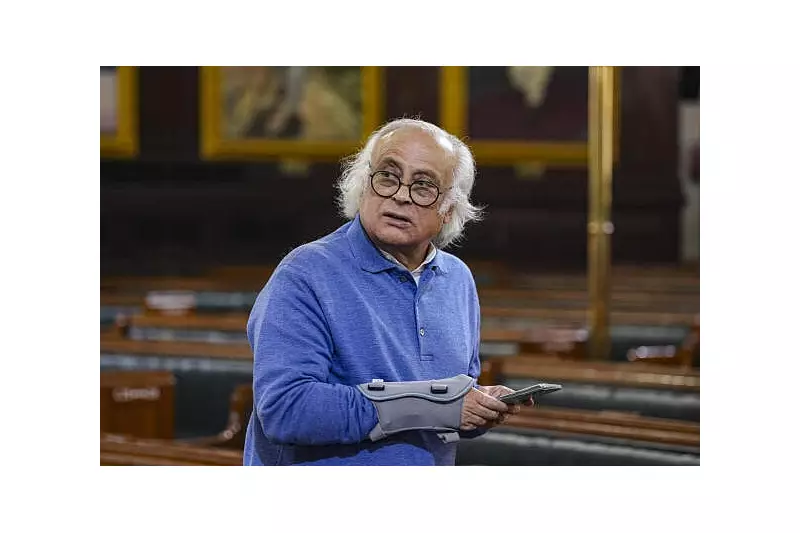
In a detailed communication, Congress General Secretary Jairam Ramesh outlined the party's position on the critical trade pact. The statement, released on Sunday, serves as a formal advisory to the government as it navigates the final stages of negotiation with the 27-nation bloc. The Congress has laid down several non-negotiable conditions it believes are vital for safeguarding India's economic interests.
The party insists that the FTA text must explicitly account for and dismantle non-tariff barriers, which often act as disguised protectionist measures. These can include stringent sanitary and phytosanitary standards, complex technical regulations, and environmental norms that Indian exporters, particularly in agriculture and manufacturing, find difficult to meet.

Protecting Farmers and Sensitive Sectors
A primary concern for the Congress is the potential impact on India's vast agricultural community and the dairy sector. The party has vocally opposed any tariff concessions that would allow heavily subsidized European agricultural products, especially dairy, to flood the Indian market. Such a scenario, they argue, would devastate the livelihoods of millions of small and marginal farmers who form the backbone of rural India.
The statement underscores that the government must secure airtight protections for these sensitive sectors within the agreement. The Congress warns that failing to do so would be a grave betrayal of the farming community, which is already under significant economic stress.
The Broader Strategic and Economic Context
The push for the India-EU FTA has gained considerable momentum, with both sides aiming to conclude the broad contours of the deal before a potential change in the EU's political leadership later this year. The negotiations, which had stalled for nearly a decade, were resumed with renewed vigor in 2021. The agreement is seen as a cornerstone for deepening strategic and economic ties between the world's largest democracy and one of its biggest trading partners.
However, the Congress's intervention highlights the domestic political complexities surrounding such high-stakes trade deals. The party's demands reflect a broader anxiety about ensuring that globalization and free trade yield equitable benefits for all sections of Indian society, not just large corporations.
The statement also calls for greater transparency in the negotiation process, suggesting that stakeholders, including political parties, should be more comprehensively briefed on the evolving terms. This, the Congress argues, is essential for building a national consensus on a pact that will have long-term consequences for the Indian economy.
As the deadline for a political announcement approaches, the government now faces the dual challenge of managing tough negotiations with the EU while addressing pointed concerns from the opposition at home. The final shape of the India-EU FTA will be a critical test of India's trade diplomacy and its commitment to a model of economic growth that is both inclusive and sustainable.