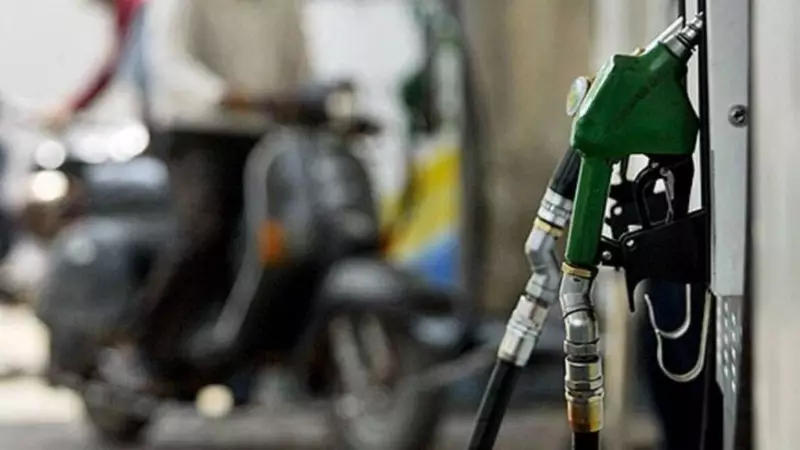
Commuters and vehicle owners across Mumbai Metropolitan Region breathed a collective sigh of relief on Tuesday evening as compressed natural gas (CNG) supply, disrupted for nearly 48 hours, was fully restored around 4 PM. The extensive disruption that began on Sunday night had paralyzed transportation networks and created chaos at fuel stations throughout the region.
Pipeline Damage Triggers Widespread Disruption
The crisis originated when the main gas pipeline operated by Gas Authority of India Limited (GAIL) suffered damage within the Rashtriya Chemicals and Fertilizers (RCF) premises in Trombay. This critical infrastructure failure directly impacted Mahanagar Gas Limited's (MGL) City Gate Station located at Wadala, which serves as the primary distribution hub for CNG across Mumbai, Thane and Navi Mumbai.
The technical teams worked round the clock to complete repair operations on the damaged pipeline. In an official statement released after restoration, MGL confirmed: "The rectification work of GAIL's damaged main gas pipeline in RCF Trombay premises has been completed and gas supply to MGL's City Gate Station (CGS), Wadala by GAIL has been restored. The gas supply to the affected CNG stations in Mumbai, Thane & Navi Mumbai has been restored."

Transport Chaos Grips Metropolitan Region
The two-day disruption created unprecedented challenges for the transportation ecosystem in the affected areas. With Mumbai operating 130 to 140 CNG pumps, Thane having 31 stations, and Navi Mumbai maintaining 34 outlets, the supply interruption affected nearly all major fuel points across the region.
The situation on the ground deteriorated rapidly as:
- Serpentine queues stretching over a kilometer formed outside operational CNG stations
- Multiple pumps experienced complete shutdowns due to exhausted supplies
- Autorickshaw drivers reported significant income losses while waiting for fuel
- Commuters faced extreme difficulties reaching workplaces and educational institutions
Areas including Santacruz, Kurla, Ghatkopar, Malad, Andheri, Powai, Mulund, Dahisar and Vashi witnessed the most severe impact. The transportation breakdown forced many office workers and students to either walk long distances or rely on overcrowded public transport systems including BEST and Thane Municipal Transport buses.
Economic and Social Impact on Daily Life
The CNG crisis had cascading effects on both commuters and transportation service providers. Autorickshaw drivers, who form the backbone of last-mile connectivity in the metropolitan region, faced the double burden of income loss and extended waiting times at fuel stations.
"Most of us have already lost two full days of income. With no certainty on when a fresh supply would arrive, we are unable to take passenger trips despite high demand in the morning," shared one frustrated auto-rickshaw driver who preferred to remain anonymous.
Commuters experienced their own set of challenges, with many reporting dramatically increased travel times and additional expenses. The shortage of auto-rickshaws forced passengers to pay premium fares, while those opting for bus transport encountered severely overcrowded vehicles during peak hours.
At Thane railway station, the situation became particularly critical with long queues forming on the SATIS bridge as commuters waited endlessly for buses. Many office-goers eventually began walking towards Teen Hath Naka, while others struggled to find available auto rickshaws as drivers moved between stations searching for fuel.
MGL acknowledged the cooperation received from customers during the challenging period and expressed gratitude for their patience. The restoration of normal CNG supply has brought much-needed relief to the millions dependent on this clean fuel for their daily transportation needs across India's financial capital and its surrounding regions.