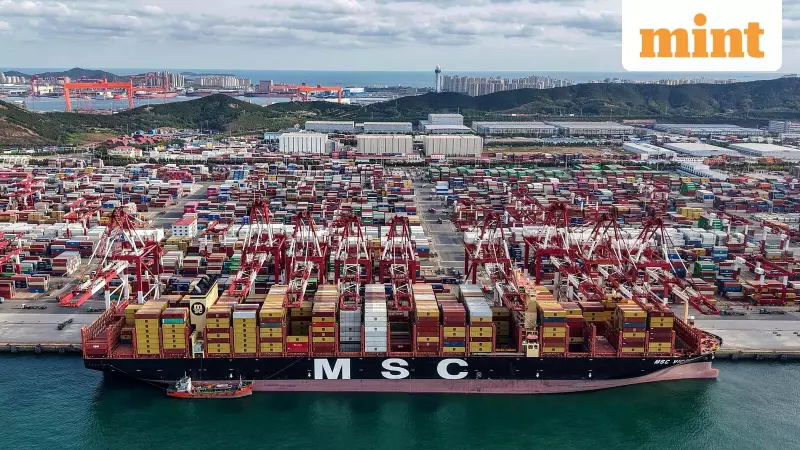
China's Trade Surplus Soars to Unprecedented $1.2 Trillion
China has achieved a monumental trade surplus of $1.2 trillion in 2025. This figure represents the largest surplus any nation has ever recorded. Official data released on Wednesday confirms this historic economic milestone.
US Tariffs Fail to Slow Chinese Export Machine
Despite aggressive tariff measures from the United States, China's export engine continues to operate at full capacity. Former US President Donald Trump's trade offensive did lead to reduced Chinese exports to America. However, Beijing quickly adapted its strategy.
The Chinese government responded with countermeasures that forced some US retreat. American trade barriers remain elevated compared to previous levels. Yet China found alternative markets to maintain its export dominance.

New Markets Absorb Chinese Goods
Chinese manufacturers have successfully redirected their products to emerging markets. Southeast Asia, Africa, and Latin America now receive significantly increased Chinese exports. This strategic shift has allowed China to compensate for reduced US-bound shipments.
For Beijing, this represents a significant victory in its ongoing trade tensions with Washington. The achievement underscores China's economic resilience and strategic flexibility in global trade relations.
Global Concerns Over Chinese Export Flood
The massive influx of Chinese goods into world markets raises serious concerns internationally. Local factories across multiple continents face unprecedented competition. Cheap Chinese products, often supported by state subsidies, threaten manufacturing jobs worldwide.
European nations are actively considering protective measures against inexpensive Chinese imports. Other countries including India must remain vigilant about rising Chinese imports.
China's Domestic Challenges Drive Export Focus
Weak domestic demand within China, particularly due to property market struggles, forces continued emphasis on exports. Beijing must keep assembly lines operational and workers employed. Overseas markets provide the necessary outlet for Chinese manufacturing output.
While India has expanded its domestic production capacity, imports from China continue to increase. When these imports serve as production inputs, they can potentially enhance India's manufacturing capabilities. The balance between beneficial imports and competitive threats requires careful monitoring.
The global trade landscape faces significant disruption from China's export surge. Countries worldwide must develop strategies to protect their domestic industries while maintaining beneficial trade relationships.