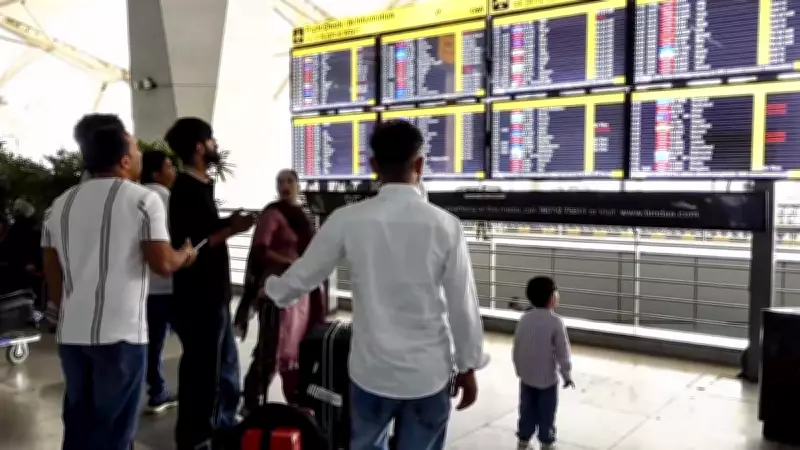
Travel Firms Scramble as West Asia Airspace Closures Strand Indian Travellers
In a sudden and disruptive development, travel firms across India are scrambling to manage a crisis as airspace closures in West Asia have left thousands of Indian travellers stranded. The closures, which have impacted key routes through the Middle East, have forced airlines and travel agencies into urgent action to reroute flights and assist affected passengers.
Operational Chaos for Airlines and Agencies
The airspace closures in West Asia have created significant operational chaos for both Indian and international airlines. Major carriers that rely on these routes for flights to Europe, Africa, and other regions are now facing delays and cancellations. Travel agencies report a surge in distress calls from travellers stuck at airports or unable to board their scheduled flights, with many facing uncertainty over their travel plans.
This situation has prompted airlines to quickly adjust their flight paths, often leading to longer travel times and increased fuel costs. The closures are particularly affecting flights from India to destinations like the United Kingdom, Germany, and parts of Africa, which commonly use West Asian airspace as a transit corridor.

Impact on Indian Travellers and Economy
Thousands of Indian travellers, including tourists, business professionals, and students, are now stranded due to the airspace closures. Many are experiencing financial losses from missed connections, hotel bookings, and other pre-paid arrangements. The crisis is also impacting India's travel and tourism sector, which is still recovering from pandemic-related disruptions.
Travel firms are working around the clock to provide alternative solutions, such as rebooking on different airlines or arranging for ground transportation where possible. However, the scale of the closures means that some travellers may face extended waits before they can resume their journeys.
Response from Travel Industry and Government
Indian travel agencies and airlines are coordinating with international partners to mitigate the impact. Efforts include:
- Rerouting flights through alternative airspaces in Central Asia or Africa.
- Providing real-time updates to passengers via apps and websites.
- Offering refunds or vouchers for cancelled trips.
While the Indian government has not issued an official statement, industry sources indicate that diplomatic channels are being used to seek clarity on the duration of the closures. The situation highlights the vulnerability of global travel networks to regional geopolitical tensions.
As travel firms continue to scramble, the priority remains ensuring the safety and well-being of stranded Indian travellers, with hopes for a swift resolution to the airspace issues in West Asia.