

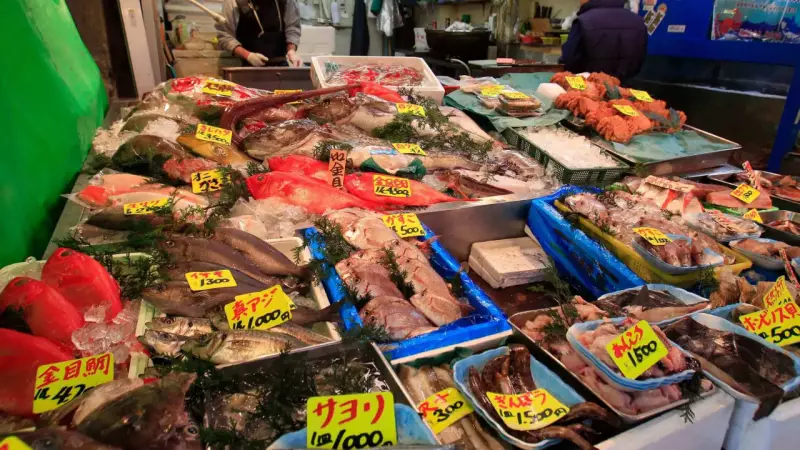
China has abruptly suspended all seafood imports from Japan, escalating an ongoing diplomatic dispute triggered by controversial remarks from Japanese Prime Minister Sanae Takaichi about potential military intervention in Taiwan. The sudden ban represents a significant escalation in tensions between the two Asian powers.
Diplomatic Crisis Sparks Trade Restrictions
The suspension comes just one day after Japan issued a safety advisory for its citizens in China, urging them to avoid crowded places and exercise additional precautions. This reciprocal caution follows Beijing's earlier travel advisory that recommended Chinese citizens avoid visiting Japan and remain vigilant while studying there.
According to Japanese media reports from Wednesday, China justified the seafood import suspension as a precautionary measure to monitor treated wastewater released from the Fukushima nuclear plant. However, the timing strongly suggests the move is directly connected to the diplomatic clash over Taiwan.

The controversy erupted when Prime Minister Takaichi suggested Tokyo could intervene militarily if Taiwan were attacked, drawing sharp criticism from China, which considers Taiwan an inseparable part of its territory.
Economic Impact on Japanese Seafood Industry
The import restrictions deal a devastating blow to Japan's seafood sector, particularly affecting scallops and sea cucumbers. China represents Japan's largest overseas market for seafood products, making this suspension particularly damaging to Japanese exporters.
According to the Associated Press, imports from Fukushima and nine surrounding prefectures remain completely banned. The timing is especially problematic for Japanese fishermen and exporters, coming just weeks after Japan resumed seafood shipments following negotiations to lift a previous ban that had been imposed in 2023.
The previous restrictions were implemented after Japan began discharging treated radioactive water from the Fukushima nuclear plant into the ocean, a move that had drawn international attention and concern.
Broader Cultural and Economic Consequences
The diplomatic row has extended beyond trade restrictions to impact cultural exchanges and entertainment industries. According to state media reports, the release of at least two Japanese films in China has been postponed indefinitely, highlighting how political tensions are affecting broader economic and cultural ties between the nations.
Public broadcaster NHK, citing unnamed government sources, confirmed the seafood suspension but noted there has been no immediate official confirmation from Chinese authorities. This lack of formal communication underscores the sensitive nature of the current diplomatic situation.
The escalating tensions represent a significant challenge for both countries' economies, particularly as they navigate post-pandemic recovery and increasing global economic uncertainties. The seafood ban marks the latest in a series of trade measures that have characterized the sometimes strained relationship between the two Asian neighbors.






