Market Recovery Amid Key Economic Data Wait
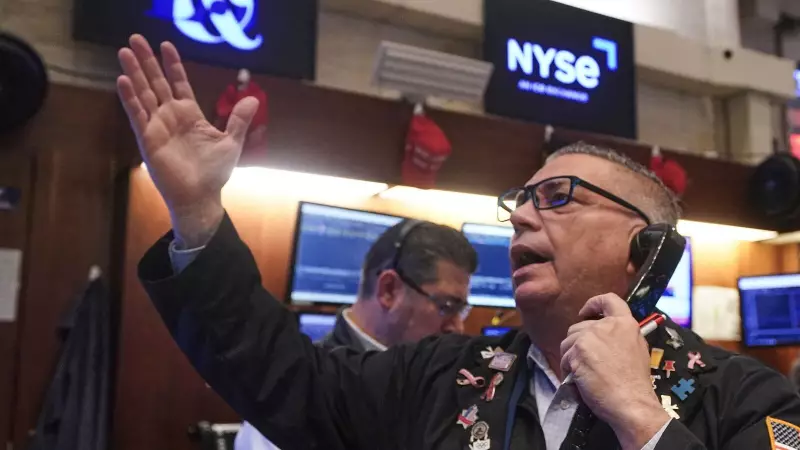
Wall Street experienced a noticeable rebound on Wednesday as market participants eagerly anticipated two crucial developments: the earnings report from artificial intelligence chip leader Nvidia and the minutes from the Federal Reserve's October policy meeting. This cautious optimism reflected investors' search for directional cues in a market balancing multiple economic factors.
Economic Indicators and Market Performance
Investors processed delayed US trade figures for August, whose publication was affected by a prolonged government shutdown. Simultaneously, market attention shifted toward the upcoming release of key jobs data scheduled for Thursday. The Federal Reserve currently walks a tightrope between monitoring labor market health and managing inflationary pressures while determining future interest rate moves.
At market opening, the Dow Jones Industrial Average climbed 46.9 points, representing a 0.10% increase, to reach 46,138.68. The broader S&P 500 index advanced by 8.5 points, or 0.13%, settling at 6,625.84. Meanwhile, the technology-heavy Nasdaq Composite gained 26.4 points, translating to a 0.12% rise, reaching 22,459.265.

Sector-Specific Movements and Retail Impact
While major indices showed uniform upward movement, specific stocks demonstrated varied performance. Target shares pulled back significantly after the retail giant reported disappointing quarterly sales figures. This divergence highlighted how company-specific news continued to influence individual stock performance even as broader market trends remained positive.
Thursday's jobs numbers are expected to substantially influence the central bank's policy direction, given the Fed's dual mandate of maintaining maximum employment while ensuring price stability. Market analysts suggest that strong employment data could reinforce the case for maintaining higher interest rates for longer, while weaker numbers might prompt reconsideration of current monetary policy stance.