

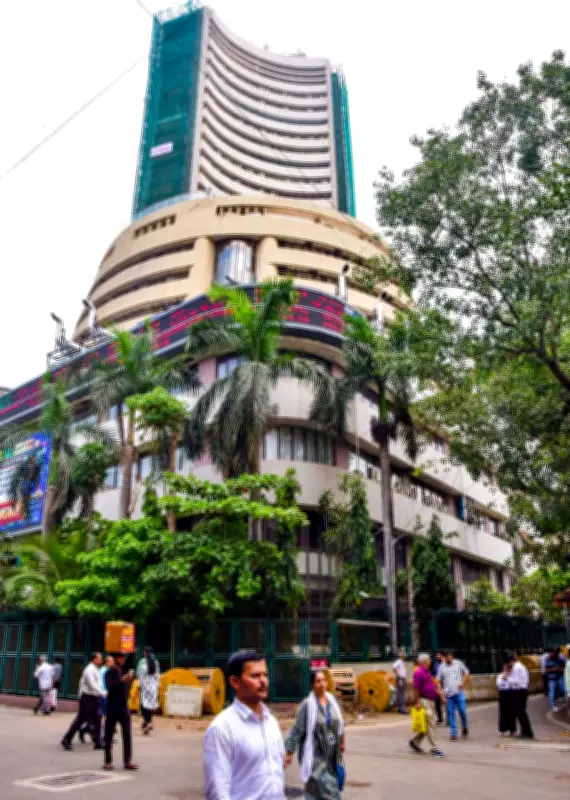
Indian Stock Markets Experience Severe Downturn as Sensex Crashes Over 1000 Points
The Indian stock market faced a significant setback today, with the benchmark indices recording steep losses. The Sensex, a key indicator of market performance, plunged by more than 1000 points, reflecting widespread investor pessimism. Simultaneously, the Nifty index sank by 336 points, underscoring the broad-based nature of the sell-off across various sectors.
Heavy Selling in Metal and IT Stocks Drives Market Decline
The sharp decline was primarily fueled by aggressive selling in metal and information technology (IT) stocks. Metal stocks, which have been volatile due to fluctuating global commodity prices, saw substantial losses as investors offloaded holdings amid concerns over demand slowdowns. Similarly, IT stocks, a major component of the indices, experienced significant pressure due to fears of reduced corporate spending and potential economic headwinds in key markets like the United States and Europe.
This sell-off in metal and IT sectors contributed heavily to the overall market downturn, with many leading companies in these industries posting double-digit percentage drops in their share prices. The negative sentiment spread to other sectors as well, though the impact was most pronounced in these two areas.

Broader Market Impact and Investor Sentiment
The market crash had a ripple effect across the broader financial landscape. Mid-cap and small-cap stocks also faced selling pressure, although the losses were more severe in large-cap stocks that dominate the Sensex and Nifty. Investor sentiment turned decidedly bearish, with trading volumes spiking as panic selling took hold. Analysts attribute this downturn to a combination of domestic factors, such as inflationary pressures and policy uncertainties, alongside global issues like geopolitical tensions and fears of a recession in major economies.
Market experts suggest that the decline may be a correction after recent gains, but caution that sustained selling could indicate deeper economic concerns. They advise investors to monitor developments closely, particularly in the metal and IT sectors, which are sensitive to international trade dynamics and technological shifts.
Outlook and Potential Recovery Scenarios
Looking ahead, the market's recovery will likely depend on several factors. Positive corporate earnings reports, supportive government policies, and stabilization in global commodity prices could help restore confidence. However, if selling pressure persists, the indices might face further declines, potentially testing key support levels. Investors are advised to remain cautious and consider diversifying their portfolios to mitigate risks associated with such volatile movements.
In summary, today's market crash highlights the fragility of investor sentiment and the interconnectedness of global and domestic economic factors. The sharp fall in the Sensex and Nifty serves as a stark reminder of the inherent volatility in stock markets, emphasizing the need for prudent investment strategies in uncertain times.






