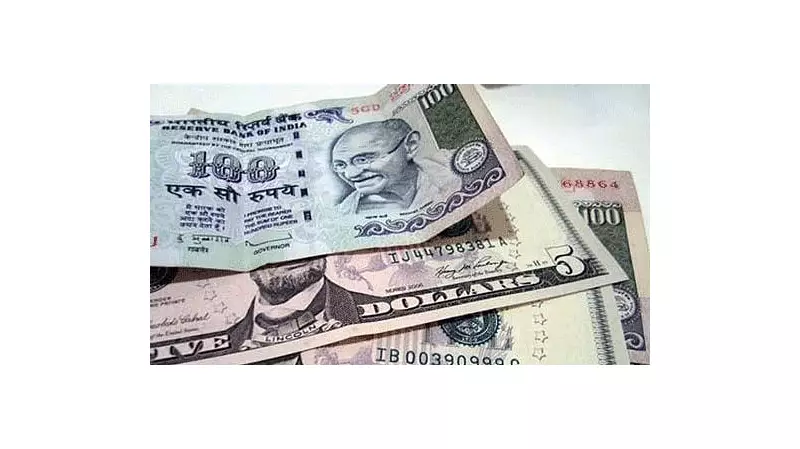
The Indian rupee experienced marginal pressure in Tuesday's trading session, closing 2 paise lower against the US dollar at 88.65. While the movement was modest, it reflected the ongoing tug-of-war between supporting factors and headwinds affecting the currency.
Market Session Dynamics
At the interbank foreign exchange market, the local unit opened weak at 88.68 against the greenback. Throughout the trading day, it witnessed fluctuations between an intraday high of 88.62 and a low of 88.69 before finally settling at 88.65.
Key Factors Influencing Rupee Movement
Domestic Equity Market Performance
The benchmark Sensex declined by 383.69 points, closing at 73,511.85, while the Nifty fell by 140.20 points to end at 22,302.50. This weakness in domestic equities contributed to the rupee's subdued performance.

Foreign Investment Flows
Foreign Institutional Investors (FIIs) were net sellers in the capital markets on Monday, offloading shares worth ₹4,498.92 crore according to exchange data. This continued foreign fund outflow added pressure on the domestic currency.
Global Dollar Strength
The dollar index, which measures the greenback's strength against a basket of six currencies, was trading 0.06% higher at 105.16. This global dollar resilience made imports more expensive and weighed on emerging market currencies including the rupee.
Brent Crude Oil Prices
Global oil benchmark Brent crude futures declined by 0.63% to USD 82.75 per barrel. While lower crude prices typically benefit oil-importing nations like India, the effect was offset by other negative factors.
Brokerage Perspective
Analysts noted that the rupee's range-bound movement reflects the market's cautious approach amid mixed signals. The Reserve Bank of India's likely intervention in the currency market helped prevent sharper declines, maintaining relative stability in the exchange rate.
Outlook and Market Sentiment
Market participants are closely monitoring global economic indicators, particularly US inflation data and Federal Reserve policy signals, which could influence the dollar's trajectory. Domestically, all eyes remain on economic growth indicators and foreign investment patterns that will determine the rupee's near-term direction.