The glittering rally in gold prices, which has captivated investors globally, is projected to experience a period of cooling off in 2026, according to a recent analysis. However, experts emphasize that the fundamental drivers of the long-term bull market for the precious metal remain firmly in place.
Navigating the Path of Interest Rates
The primary factor influencing this forecast is the anticipated monetary policy trajectory of the US Federal Reserve. The current market consensus, supported by the World Gold Council's (WGC) 2024 mid-year outlook, predicts a series of interest rate cuts by the Fed starting in the latter half of 2024. This initial phase of easing is expected to provide strong support for gold prices, as lower interest rates reduce the opportunity cost of holding non-yielding assets like gold.
However, the report suggests a shift in this dynamic by 2026. The pace of the Federal Reserve's rate cuts is forecast to slow down significantly at that point. As this monetary support diminishes, gold may face headwinds, leading to a potential softening in its price momentum. The key takeaway is that while the speed of the ascent may decrease, the overall upward trajectory for gold is not expected to reverse.

Strong Fundamentals Underpin Long-Term Outlook
Beyond central bank policies, several powerful structural factors continue to bolster the case for gold. Persistent geopolitical tensions across various regions create a consistent demand for safe-haven assets. Simultaneously, escalating debt levels in major economies are fueling concerns about fiscal sustainability and long-term currency values, making gold an attractive store of wealth.
Furthermore, central banks themselves have become voracious buyers of gold, a trend that shows no signs of abating. This sustained official sector demand provides a solid floor under the market. The WGC report highlights that these combined forces—geopolitical risk, fiscal concerns, and central bank accumulation—are powerful enough to maintain the gold bull market even as the tailwind from rapid rate cuts fades.
The Indian Gold Market Context
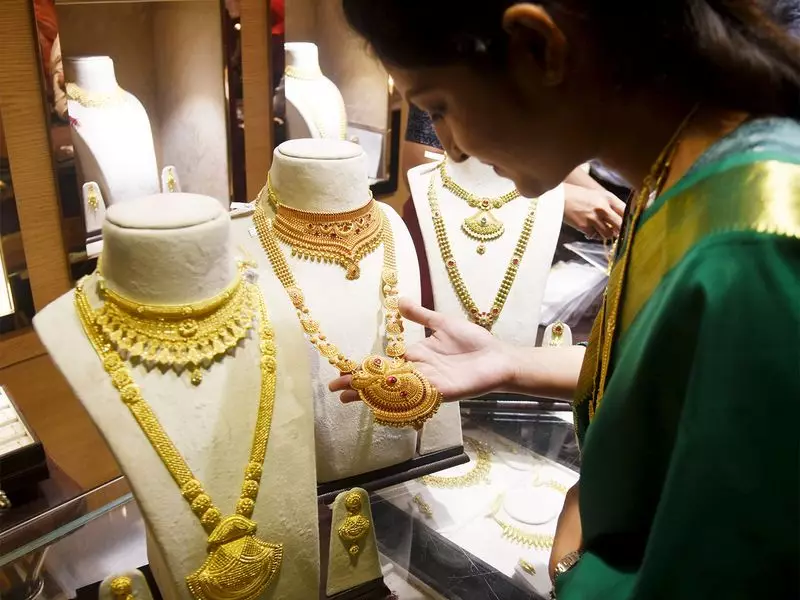
For India, one of the world's largest consumers of gold, these global dynamics have direct implications. Domestic gold prices are intrinsically linked to international benchmarks and the exchange rate of the Indian rupee against the US dollar. A period of consolidation or moderate correction in global prices in 2026 could offer strategic buying opportunities for Indian households and investors, especially ahead of the traditional wedding and festival seasons.
Indian demand has shown remarkable resilience, often absorbing price volatility due to its deep cultural and economic significance. Analysts suggest that investors should view any potential price dip not as a signal of a bear market, but as a temporary moderation within a larger bullish cycle. The advice for market participants is to focus on the long-term fundamentals rather than short-term fluctuations.
In summary, the gold market is poised for a nuanced journey. The anticipated slowdown in US Fed rate cuts in 2026 may apply temporary brakes on the price rally. Yet, the underlying pillars of strength—geopolitical uncertainty, expansive fiscal policies, and unwavering central bank demand—are expected to keep the structural bull market for gold firmly intact for the foreseeable future.