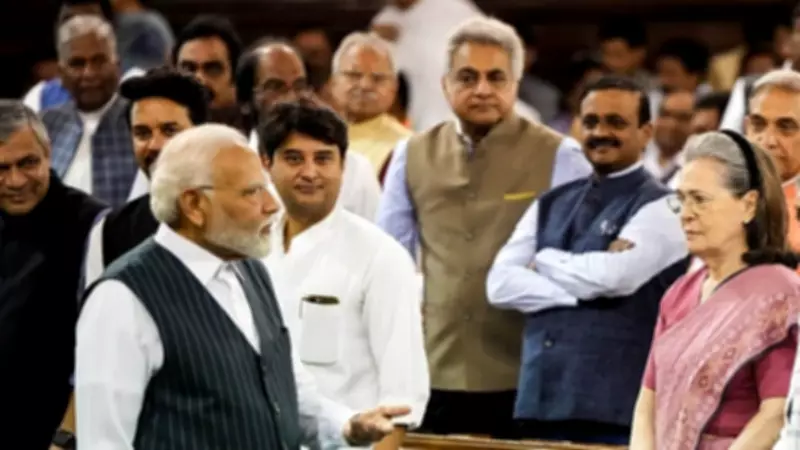
Sonia Gandhi Questions Modi Government's Foreign Policy Stance on Khamenei Assassination Reports
Congress leader Sonia Gandhi has publicly expressed deep concerns regarding the foreign policy direction of the Narendra Modi-led government, specifically highlighting its silence on recent reports of an alleged assassination plot against Iran's Supreme Leader, Ayatollah Ali Khamenei. In a strongly worded statement, Gandhi asserted that this lack of response from the Indian administration raises serious doubts about the coherence and strategic clarity of the nation's diplomatic engagements on the global stage.
Alleged Plot and International Context
Reports have surfaced in international media suggesting that there were plans to target Ayatollah Khamenei, a pivotal figure in Iranian politics and regional affairs. While details remain unconfirmed by official sources, the allegations have sparked widespread diplomatic discussions and heightened tensions in the Middle East. Many countries have issued statements either condemning such plots or calling for restraint, emphasizing the importance of stability in the region.
India, however, has maintained a notable silence, with no official comment from the Ministry of External Affairs or top government officials. This absence of a public stance has drawn criticism from opposition leaders, who argue that it reflects a passive approach in foreign policy matters that could impact India's international standing.

Sonia Gandhi's Critique and Broader Implications
Sonia Gandhi, in her remarks, pointed out that India's foreign policy should be proactive and principled, especially in situations involving key global players like Iran. She emphasized that silence in such sensitive matters can be misinterpreted as indifference or even tacit approval, potentially straining bilateral relations and undermining India's credibility as a responsible global actor.
"The government's failure to address these reports is alarming," Gandhi stated. "It not only questions our commitment to international norms but also risks isolating us in diplomatic circles where clear positions are valued." Her comments come amid ongoing debates about India's foreign policy strategy under the Modi administration, which has often focused on strengthening ties with Western nations while navigating complex relationships in the Middle East.
Government's Position and Expert Analysis
As of now, the Modi government has not responded to Gandhi's criticism or the reports about the assassination plot. Political analysts suggest that this silence might be a calculated move to avoid entanglement in Middle Eastern conflicts, given India's significant economic and energy interests in the region, including oil imports from Iran.
However, experts also warn that prolonged inaction could have negative consequences:
- It may signal a lack of support for Iran, a key partner in regional stability efforts.
- It could affect India's image as a nation that upholds international law and condemns violence.
- It might lead to domestic political backlash, as seen with Gandhi's remarks, highlighting divisions in foreign policy approach.
This incident underscores the delicate balance India must maintain in its foreign policy, balancing strategic interests with ethical diplomatic postures. The ongoing scrutiny from opposition figures like Sonia Gandhi is likely to keep this issue in the public eye, prompting further discussions on how India engages with volatile international situations.