Renting out your property is a significant financial decision that can generate a steady stream of passive income when managed with care and diligence. However, this step requires meticulous attention to legal formalities to prevent potential pitfalls. Ignoring these essential procedures can lead to severe legal disputes, financial complications, or even substantial wealth loss. For first-time landlords, adhering to a systematic process is particularly vital to navigate the complexities of the rental market successfully. Here are five indispensable steps every homeowner should meticulously follow before renting out their property to ensure a smooth and secure rental experience.
Create a Property Perfect for Rental Use
The initial step involves transforming your property into a rental-friendly space that appeals to prospective tenants. A well-maintained home that is comfortable, welcoming, safe, and visually appealing tends to attract higher-quality tenants and command better rental rates. Begin by conducting a thorough inspection of all electrical wiring and plumbing systems to ensure they are in optimal working condition. Check gas connections for safety and address any signs of leakage or dampness promptly, as these issues can deter renters. Installing essential safety measures, such as smoke detectors and fire extinguishers, is strongly recommended to enhance security. A freshly painted interior with clean floors can create a positive first impression, making the property more desirable. Additionally, landlords should document the condition of the property by taking before and after photographs or videos, which can serve as valuable evidence in case of disputes.
Tenant Verification and Police Verification
Since tenants are essentially strangers, conducting a comprehensive background check is non-negotiable to mitigate future risks. Failure to verify tenants properly can result in problems like delayed rent payments, misuse of the property, or legal entanglements. Landlords must verify the tenant's identity by examining government-issued identification cards, such as Aadhaar or passport. Police verification is a critical step that adds an extra layer of security and helps in screening for any criminal history. Confirming the tenant's employment status and income stability is also essential to assess their ability to pay rent consistently. Additionally, checking previous rental history by obtaining references from former landlords can provide insights into the tenant's behavior and payment habits. This thorough screening process is fundamental to avoiding future disputes and ensuring a trustworthy tenant-landlord relationship.

Draft a Clear and Legal Rental Agreement
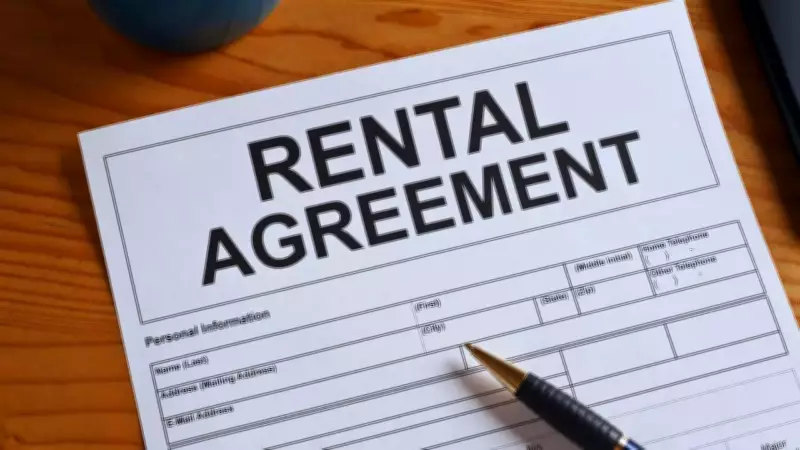
A legally binding rental agreement is another indispensable component of a secure rental arrangement. Numerous fraud cases in the past have stemmed from the absence of a proper written agreement, highlighting its importance. This document serves as both proof and the foundation of the landlord-tenant relationship, clearly outlining the rights and responsibilities of both parties under the law. The agreement should explicitly mention key details such as the lease tenure, monthly rent amount, security deposit, due dates for payments, and any penalties for late payments or breaches. In many jurisdictions, having a registered rental agreement is mandatory, so landlords must ensure compliance with local regulations. A well-drafted agreement not only protects both parties but also provides a clear framework for resolving any potential issues amicably.

Manage Financial Aspects Systematically
Handling financial matters in an organized manner is crucial for maintaining a healthy and transparent rental arrangement. Start by collecting the security deposit in accordance with local laws and regulations, and always provide a receipt for this transaction. Issuing rent receipts for every payment received is essential for maintaining accurate financial records and ensuring accountability. Establish clear guidelines from the outset regarding the payment of utility bills, maintenance charges, and responsibilities for minor repairs. This proactive approach helps prevent misunderstandings and disputes over financial obligations. By managing these aspects systematically, landlords can foster a professional relationship with tenants and ensure a steady flow of rental income without unnecessary complications.
Fulfill Legal and Administrative Obligations
Landlords must comply with all legal and administrative requirements to remain protected under the law and avoid potential liabilities. As mentioned earlier, police verification of tenants is a critical step that should not be overlooked, as it enhances security and safeguards landlords from legal issues. Additionally, landlords are required to declare rental income while filing their income tax returns, ensuring compliance with tax regulations. Understanding that a rental property is not merely a financial asset but a long-term investment with significant responsibilities is key. Both tenants and landlords must be aware of the legal implications involved in the rental process to foster a mutually beneficial relationship. By diligently following these steps, landlords can minimize risks, maintain positive tenant relationships, and enjoy the benefits of a successful rental venture.