

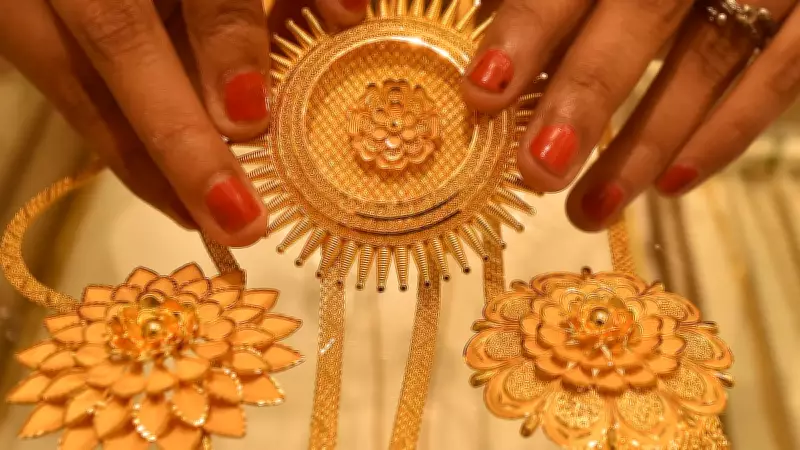
Gold Stays Golden, But Indians Tweak Buying Strategy
Gold continues to hold its allure as a timeless asset in India, yet a significant shift is underway in how consumers approach their purchases. Driven by soaring prices and evolving economic conditions, Indians are moving away from traditional jewelry-centric buying towards more strategic and diversified methods. This transformation reflects broader changes in financial behavior and market dynamics.
High Prices Drive Strategic Shifts
The relentless rise in gold prices has been a key catalyst for this change. With prices hovering near record highs, many buyers are rethinking their investment strategies. Instead of splurging on heavy jewelry for weddings and festivals, there is a growing preference for smaller, more manageable purchases. This includes buying gold in the form of coins, bars, or even digital gold, which offers flexibility and lower entry costs.
Economic factors such as inflation and fluctuating incomes have further encouraged this trend. Consumers are becoming more cautious, opting to invest in gold as a hedge against uncertainty rather than as mere adornment. This shift is not just about cost-saving; it's about maximizing value and security in an unpredictable financial landscape.

Digital Gold and Small Bars Gain Popularity
One of the most notable developments is the surge in interest for digital gold and small-denomination bars. Platforms offering digital gold allow users to buy, sell, and store gold online without physical handling, appealing to tech-savvy younger generations. Similarly, small bars and coins are gaining traction because they are easier to liquidate and require less upfront capital.
This trend is reshaping the gold market in India, traditionally dominated by jewelry sales. Jewelers are adapting by offering lightweight and modern designs, but the overall demand for heavy jewelry has seen a decline. The convenience and liquidity of alternative forms of gold are proving to be strong draws for investors looking to diversify their portfolios.
Impact on the Jewelry Market and Broader Economy
The changing buying patterns have significant implications for India's jewelry industry, which has long relied on cultural and festive demand. While gold remains a staple in Indian households, the way it is acquired and used is evolving. This could lead to a restructuring of the market, with increased focus on investment products over ornamental pieces.
From a broader economic perspective, this shift may influence gold imports and domestic consumption patterns. If strategic buying continues to grow, it could stabilize demand even during price spikes, as consumers become more calculated in their purchases. However, it also poses challenges for traditional retailers who must innovate to stay relevant.
Future Outlook and Consumer Behavior
Looking ahead, the trend towards strategic gold buying is likely to persist, especially if prices remain high and economic uncertainties linger. Consumers are expected to continue favoring options that offer both security and flexibility. This could lead to further innovations in gold investment products, such as gold-backed ETFs or more accessible digital platforms.
In summary, while gold's golden status in India remains unchallenged, the methods of acquisition are undergoing a profound transformation. By tweaking their buying strategies, Indians are not only adapting to market conditions but also redefining the role of gold in their financial lives. This evolution underscores the dynamic nature of consumer behavior and its impact on one of the world's largest gold markets.






