Noida Factory Workers' Plight: A Cry for Dignity Amid Economic Hardships
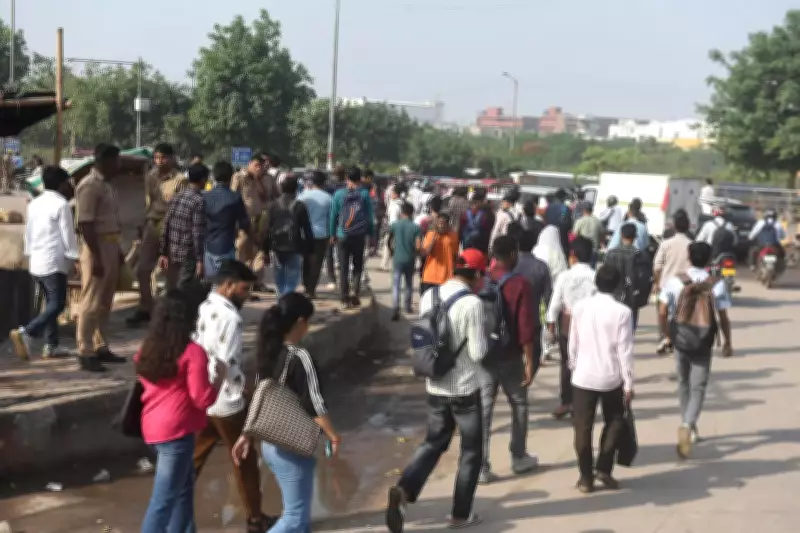
The supervisor's warning echoed more chillingly than the police presence at the factory gate: "If you want to do such work, don't come to work tomorrow." This stark ultimatum came just two days after Pushparaj Singh, a 26-year-old line reader at a Luxor pen factory in Noida, joined protests demanding higher wages. His journey from dropping out of a BSc in agriculture in Kanpur to earning a fixed monthly wage of Rs 11,313 reflects a broader crisis among industrial workers in the region.
Living on the Edge: Financial Struggles and Sacrifices
Pushparaj's story is one of relentless hardship. Sharing a cramped room with a co-worker, he pays Rs 3,500 in rent, with summers turning the space into an unbearable oven. After expenses for food, commuting, and general living costs, he is left with almost nothing. Overtime work, which can boost his income to Rs 17,000, is essential for sending savings home to his family in Kanpur, where medical bills for elderly grandparents add to the burden.
Similarly, Poonam and Awdesh, migrants from Bhagalpur, face dire choices. Their older daughter, aged 5, cares for her younger sibling while both parents work—Poonam at a Samsung unit and Awdesh at a metal factory. With rent consuming nearly two-thirds of Awdesh's salary, they have sacrificed their daughter's education, hoping to afford school next year at an additional cost of Rs 2,000 monthly.

Revised Wages and Unmanageable Expenses
In response to the April 13 protests, the Uttar Pradesh government revised fixed monthly wages effective April 1. Unskilled workers now earn Rs 13,690, up from Rs 11,313; semi-skilled workers receive Rs 15,059 from Rs 12,445; and skilled workers get Rs 16,868 from Rs 13,940. However, these increases offer little relief against soaring costs, particularly for LPG cylinders.
The Iran war has disrupted LPG supply, driving black market prices to Rs 3,000-4,000 per cylinder, up from Rs 900. This alone has pushed Poonam's family food budget from Rs 6,000 to Rs 10,000 monthly, forcing them to share a makeshift chulha with other families. Workers across Noida colonies cite LPG distress as a key catalyst for the protests, highlighting how inflation erodes their already meager earnings.
Noida's Industrial Hub and Worker Realities
Noida is a major contract manufacturing hub for readymade garments, electronics, and auto parts, with around 12,000 units employing approximately 13 lakh workers. Industry estimates suggest 10 lakh are factory floor workers, with nearly 60% being unskilled. This workforce fuels exports for global brands like Zara, Puma, Nike, and Motherson, yet their lives starkly contrast with the consumers of these products.
For many, overtime is not a luxury but a necessity. Awdesh notes that overtime depends on work orders, which have been uncertain due to US tariffs, trade negotiations, and the West Asia conflict. Shivam, a skilled SMT operator from Gorakhpur, relies on overtime to send an extra Rs 5,000 home, emphasizing that falling sick means a salary cut, leaving no room for illness.
Debt, Desperation, and Dignity
Sahil Kumar, an embroidery worker, is trapped in a debt cycle, with family expenses exceeding his income. He resorts to loans and credits from local eateries, a common plight among workers who fear discussing protests due to heavy police deployment. Others at eateries express skepticism that revised wages will suffice, given rising rents driven by Noida's IT sector, where employees can afford higher costs.
Shreya Ghosh of the Sangrami Gharelu Kamgar Union asserts that the protests transcend wage demands, representing a fight for a decent, dignified life. Workers compromise on health and hygiene, surviving on wages as low as Rs 11,000 monthly amidst inflation. The struggle underscores a compulsion, not a choice, for migrants leaving homes for city life.
As Noida's workers navigate these challenges, their stories reveal a systemic issue where economic pressures force sacrifices in education, health, and basic living standards, calling for broader societal attention.