

India's Renewable Energy Capacity Projected to Reach 359 GW by FY25-30
India is on a fast track to significantly boost its renewable energy capacity, with projections indicating it will reach 359 gigawatts (GW) by the fiscal year 2025-30, according to a recent report by global investment bank Jefferies. This growth underscores the country's aggressive push towards sustainable energy sources, aligning with global climate goals and domestic energy security needs.
Key Drivers of Renewable Energy Expansion
The report highlights several factors propelling this expansion. Government initiatives, such as the National Solar Mission and wind energy policies, have created a favorable regulatory environment. Additionally, increasing investments from both public and private sectors are accelerating the deployment of solar and wind projects across the nation.
Current Status and Future Outlook
As of now, India's renewable energy capacity stands at approximately 150 GW, with solar and wind power dominating the mix. The Jefferies analysis predicts that by FY25-30, this will more than double, driven by:

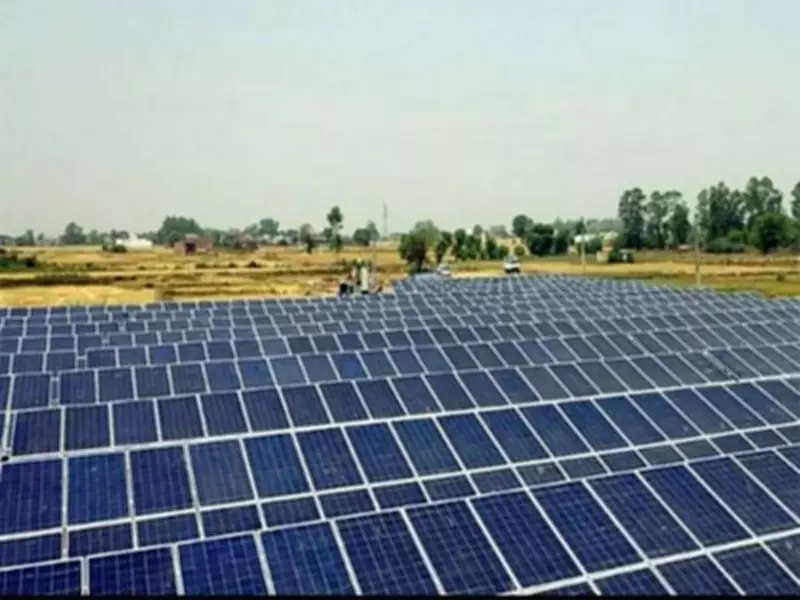
- Rapid installation of solar photovoltaic systems in states like Rajasthan and Gujarat.
- Expansion of wind farms in coastal and high-wind regions.
- Integration of hybrid renewable projects combining solar and wind technologies.
This growth is expected to reduce India's reliance on fossil fuels, cutting carbon emissions and enhancing energy independence.
Economic and Environmental Implications
The surge in renewable capacity is poised to bring substantial economic benefits, including job creation in the green energy sector and reduced energy import bills. Environmentally, it supports India's commitments under the Paris Agreement, aiming to achieve 40% of its power capacity from non-fossil sources by 2030. Jefferies emphasizes that sustained policy support and technological advancements will be crucial to maintaining this momentum.
In summary, India's renewable energy landscape is set for a transformative leap, with Jefferies forecasting a capacity of 359 GW by FY25-30, marking a pivotal step in the country's clean energy transition.






