

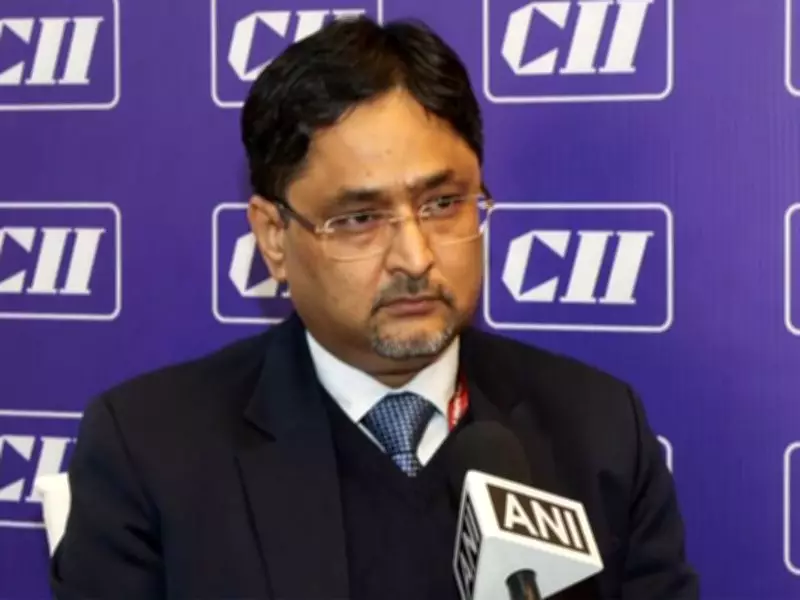
Direct Tax Reforms Empower Taxpayers, Reduce Disputes: Revenue Secretary
In a significant development for India's fiscal landscape, Revenue Secretary Sanjay Malhotra has underscored the transformative impact of recent reforms in the direct tax system. These measures are designed to empower taxpayers by simplifying compliance processes, enabling more effective management of tax liabilities, and substantially reducing the incidence of disputes.
Simplifying Compliance and Enhancing Transparency
The reforms focus on creating a more transparent and user-friendly tax environment. By streamlining procedures and leveraging technology, the government aims to make it easier for individuals and businesses to fulfill their tax obligations. This approach not only reduces the administrative burden on taxpayers but also fosters a culture of voluntary compliance.
Key initiatives include the introduction of faceless assessment and appeal mechanisms, which minimize physical interactions and potential biases. These digital platforms ensure that tax assessments are conducted in a fair, objective, and efficient manner, thereby enhancing trust in the system.

Enabling Better Management of Tax Liabilities
One of the core objectives of the reforms is to provide taxpayers with greater clarity and predictability regarding their tax liabilities. Through measures such as pre-filled income tax returns and simplified tax slabs, individuals can now plan their finances more effectively.
For businesses, the reforms offer mechanisms like advance tax rulings and dispute resolution schemes, which help in mitigating uncertainties and avoiding prolonged litigation. This proactive approach allows companies to allocate resources more efficiently and focus on growth rather than navigating complex tax disputes.
Reducing Disputes and Litigation
The reduction of tax disputes is a critical outcome of these reforms. By addressing common pain points and introducing dispute resolution frameworks, the government aims to decrease the backlog of cases in tax tribunals and courts.
- Faceless assessment: Eliminates jurisdictional biases and ensures uniformity in tax assessments.
- Vivad se Vishwas scheme: Provides a platform for settling pending disputes with waived interest and penalties.
- Taxpayer charter: Outlines the rights and obligations of taxpayers, promoting accountability and fairness.
These measures collectively contribute to a more harmonious tax ecosystem, where disputes are resolved amicably and expeditiously.
Future Outlook and Continued Reforms
Revenue Secretary Sanjay Malhotra emphasized that the government remains committed to further refining the direct tax framework. Ongoing efforts include enhancing digital infrastructure, expanding the scope of faceless proceedings, and introducing more taxpayer-friendly policies.
- Integration of advanced analytics to identify and address compliance gaps.
- Regular stakeholder consultations to incorporate feedback and improve processes.
- Focus on reducing compliance costs and time for small and medium enterprises.
In conclusion, the recent reforms in direct taxes mark a pivotal shift towards a more equitable and efficient tax system. By empowering taxpayers and reducing disputes, these initiatives not only bolster revenue collection but also strengthen the foundation of India's economic growth.






