US-Israel Airstrikes on Iran Spark Global Market Crisis
In a dramatic escalation of hostilities in West Asia, coordinated airstrikes conducted by the United States and Israel have resulted in the death of Iran's Supreme Leader, Ayatollah Ali Khamenei. This event has sent shockwaves through international financial markets, leading to significant turmoil as investors react to the heightened geopolitical risks.
Financial Markets in Freefall
Global stock markets experienced a sharp and sudden downturn in response to the news. Major indices across Asia, Europe, and North America plunged as fears of a broader conflict intensified. The uncertainty surrounding the situation has prompted a massive sell-off, with investors fleeing to safer assets amid concerns over potential economic disruptions.
Key impacts on the markets include:

- A rapid decline in equity values, with technology and energy sectors among the hardest hit.
- Increased volatility, as trading volumes spiked and market sentiment turned deeply negative.
- Widespread panic selling, driven by apprehensions about prolonged instability in the region.
Oil Prices Skyrocket Amid Supply Fears
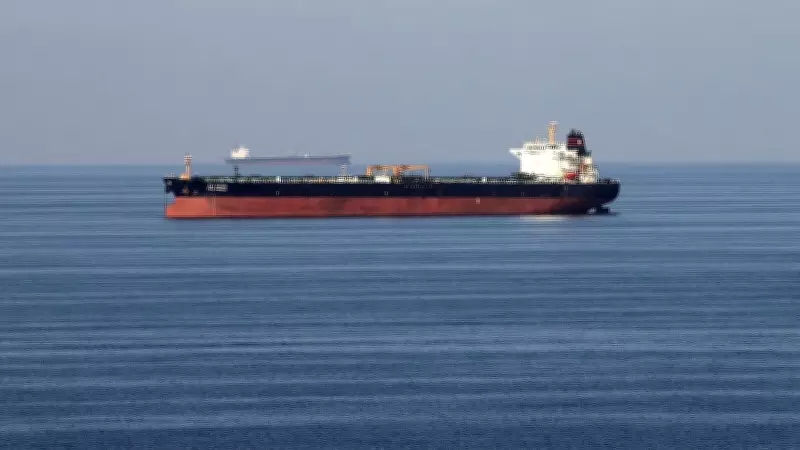
Concurrently, global oil prices surged dramatically, reflecting anxieties over potential disruptions to crude supplies from the Middle East. Iran is a major oil producer, and any escalation in conflict could threaten production and export capabilities, leading to supply shortages.
The surge in oil prices has immediate implications:
- Higher fuel costs for consumers and businesses worldwide, potentially stoking inflation.
- Increased pressure on economies already grappling with energy price fluctuations.
- Speculative trading in commodities markets, exacerbating price swings.
Geopolitical Tensions and Economic Fallout
The killing of Ayatollah Ali Khamenei marks a significant escalation in the long-standing tensions between Iran and the US-Israel alliance. This development not only raises the specter of retaliatory actions but also complicates diplomatic efforts in the region. The economic fallout is expected to be far-reaching, affecting trade, investment, and global economic stability.
Analysts warn that if tensions continue to escalate, the market turmoil could deepen, leading to more severe economic consequences. Governments and central banks may need to intervene to stabilize financial systems and mitigate the impact on growth.
In summary, the US-Israel airstrikes on Iran have triggered a dual crisis in financial markets, with stocks tanking and oil prices surging as geopolitical risks mount. The situation remains fluid, with investors closely monitoring developments for signs of further escalation or de-escalation.