Oil Prices Surge Amid Escalating US-Israeli Conflict with Iran
Global oil markets experienced a significant uptick in prices on Monday, driven by heightened supply risks as the military conflict between the United States, Israel, and Iran expanded dramatically. The intensification of hostilities has raised alarms over potential disruptions to crucial energy infrastructure and shipping routes, directly impacting global crude supplies.
Conflict Widens with Attacks on Lebanon and Gulf Targets
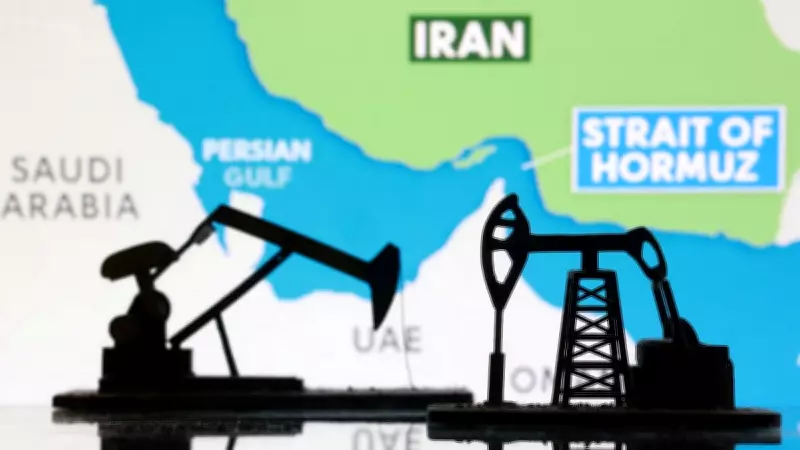
The situation escalated sharply when Israeli forces launched targeted strikes against locations in Lebanon, marking a significant broadening of the regional conflict. In a swift and calculated response, Iran retaliated by conducting precision strikes against key energy infrastructure in several Gulf countries. Additionally, Iranian forces targeted commercial tankers navigating the strategic Strait of Hormuz, a vital maritime chokepoint for global oil shipments.
These coordinated attacks have immediately injected substantial volatility into the oil market, with traders and analysts expressing deep concern over the stability of supply chains from the Middle East. The Strait of Hormuz alone is responsible for the transit of approximately one-fifth of the world's seaborne oil, making any threat to its security a direct trigger for price increases.

Immediate Market Reaction and Broader Implications
The immediate reaction in financial markets was a sharp rise in benchmark crude oil prices, as the risk premium associated with Middle Eastern supply disruptions was quickly repriced. This escalation follows a period of already tense relations and underscores the fragile geopolitical landscape in a region critical to global energy security.
Industry experts warn that prolonged hostilities could lead to more sustained supply constraints, potentially pushing prices even higher and affecting economies worldwide. The targeting of energy assets represents a strategic move likely to exert maximum pressure on global markets and international stakeholders.
The broadening of the conflict to include attacks on maritime traffic introduces a new layer of risk, threatening not only production facilities but also the logistics of oil transportation. Market participants are now closely monitoring developments, with any further escalation expected to trigger additional price spikes and increased market uncertainty.