

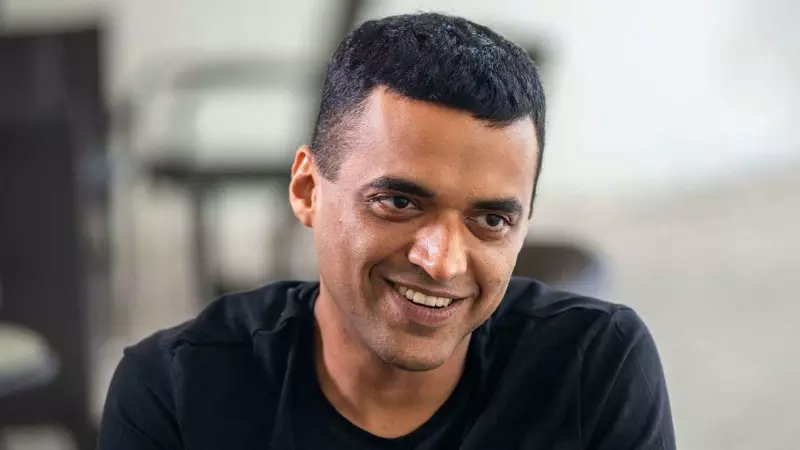
Zomato and its quick-commerce subsidiary Blinkit achieved a historic milestone on New Year's Eve, processing a staggering 75 lakh (7.5 million) orders in a single day. This record-breaking performance came despite widespread calls for a nationwide strike by delivery executives demanding better pay and working conditions.
Record Deliveries Defy Protest Calls
Announcing the feat on social media platform X on January 1, Zomato's founder and CEO, Deepinder Goyal, stated that both platforms "delivered at a record pace" on December 31. He emphasized that operations remained largely smooth and unaffected by the strike agitation.
Goyal's statement followed a day of protests across multiple Indian cities on December 30. Delivery workers associated with major food delivery and e-commerce platforms, including Zomato, Swiggy, and Amazon, had staged demonstrations. Their key demands included higher earnings, social security benefits, and improved safety measures.

CEO Credits Law Enforcement and Delivery Partners
In his detailed post, Goyal credited local law enforcement for helping maintain order. He claimed their support "helped keep the small number of miscreants in check." This environment, he said, enabled over 4.5 lakh (450,000) delivery partners across Zomato and Blinkit to fulfill orders for more than 63 lakh (6.3 million) customers.
Goyal extended gratitude to the authorities for "clear enforcement and swift coordination." He also reserved special praise for the delivery partners who "showed up despite intimidation, stood their ground, and chose honest work and progress." Notably, he clarified that this record was achieved without any additional incentives beyond the usual higher pay offered on New Year's Eve.
Goyal's Defense of the Gig Economy Model
Concluding his message, Goyal offered a robust defense of the gig economy framework. He argued that if the system were fundamentally unfair, it would not consistently attract and retain a massive workforce. "Please don't get swept up by narratives pushed by vested interests," he cautioned.
Labeling the gig economy as one of India's "largest organised job creation engines," Goyal projected its long-term societal impact. He suggested its true value would become evident when the children of current delivery workers enter the workforce and contribute to large-scale transformation.
The post sparked significant engagement online, with reactions ranging from strong support to skepticism. Some users agreed that the platform economy provides crucial livelihood, urging reforms rather than outright condemnation. Others questioned the claim about incentives, referencing earlier news reports about companies offering higher pay to counter the strike.






