

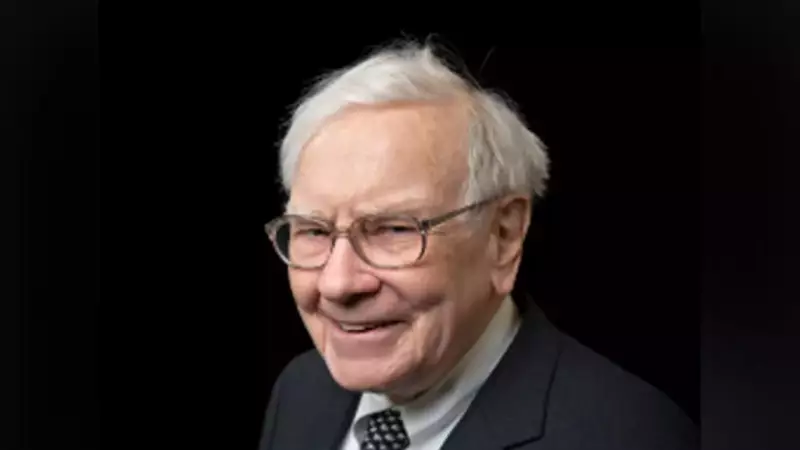
In a landmark moment for global business, Warren Buffett has officially stepped down from his role as the chief executive of Berkshire Hathaway. This move concludes one of the longest and most impactful leadership tenures in modern corporate history, as reported by ET.
The End of an Era, The Start of a New Chapter
The transition, which was announced earlier this year at the company's annual shareholder meeting, sees day-to-day control of the sprawling conglomerate pass to vice-chairman Gregory Abel effective January 1. Buffett, who is now 95 years old, will continue to serve as the chairman of the board and has stated he will keep coming to the office. However, his withdrawal from active operational leadership marks the definitive close of a chapter that fundamentally reshaped not just Berkshire Hathaway but also the broader contours of American capitalism.
What Buffett leaves behind is an entity transformed beyond imagination. From its origins as a struggling textile manufacturer, Berkshire Hathaway now stands as the ninth-most-valuable company in the United States. It is the country's second-largest property and casualty insurer and a vast conglomerate holding nearly $700 billion in tradable stocks, bonds, and cash. It also owns roughly 200 operating businesses spanning critical sectors like railroads, utilities, and beloved consumer brands. The annual shareholder meeting in Omaha, Nebraska, has evolved into a pilgrimage for investors worldwide.

The Buffett Philosophy: From Value to 'Moats'
Often hailed as the world's greatest investor, Buffett defied simple labels. His journey began with classic value investing, targeting companies trading below their asset value. He later refined his approach to focus on businesses with enduring competitive advantages—or 'economic moats'—that could compound value over decades.
This evolution led to some of the most legendary investments of our time. A prime example is Apple, which Berkshire accumulated between 2016 and 2018 and which now stands as its most profitable holding. His emphasis on durable franchises built a portfolio anchored in global names across banking, consumer goods, and financial services.
The Secret Engine: Insurance Float
Yet, perhaps Buffett's most genius strategic move was not just in what he bought, but in how he funded those purchases. The acquisitions of National Indemnity in 1967, followed by GEICO and a major reinsurance arm, gave Berkshire access to insurance 'float'—the premiums collected upfront before claims are paid out.
This massive, steady pool of capital became the silent engine powering Berkshire's growth. It financed transformative deals like the acquisition of the BNSF railway and the company's large stake in Occidental Petroleum. This structure allowed Buffett to deploy enormous sums with patience, free from the pressures of short-term market funding, cementing his reputation for masterful, disciplined capital allocation.
Succession: Continuity Over Revolution
The handover to Gregory Abel signals a shift in style rather than a break from core philosophy. Abel, who rose through the ranks of Berkshire's energy and utilities businesses, inherits a uniquely decentralized organization built on a foundation of trust and autonomy. Buffett's legendary hands-off approach—avoiding forced synergies and top-down control—is now a defining legacy that Abel must steward.
This transition comes at a time when some of Berkshire's operating businesses face mixed performance, and its unusually large cash pile of over $140 billion faces scrutiny. How this colossal capital is deployed in the coming years will be watched intensely by the global financial community. Nevertheless, the company begins this new era with a financial strength and stability that few, if any, peers can match.
Beyond the immense balance sheet, Warren Buffett leaves behind a profound way of thinking about business: patient, long-term, and grounded in common sense. He frequently spoke about finding joy in his work, once saying, "I have a lot of fun doing what I do every day." He was equally forthright about wealth and responsibility, advocating for purpose over excess.

In a recent demonstration of this principle, he accelerated the transfer of Berkshire shares worth about $1.3 billion to foundations run by his three children. In a Thanksgiving letter, he reminded everyone that "kindness is costless but also priceless."
As Berkshire Hathaway navigates this historic handover, much will remain familiar—the offices, the routines, the culture endure. What departs is the singular, unifying presence of Warren Buffett, and the unparalleled sense of assurance that came with his legendary stewardship.





