Prime Minister Narendra Modi has inaugurated a significant new facility at the Hindustan Petroleum Corporation Limited (HPC) refinery in Visakhapatnam, marking a substantial advancement for India's energy independence. The newly commissioned Residue Upgradation Facility (RUF) is poised to transform the refinery's operations and contribute to the nation's strategic energy security goals.
A Strategic Leap for Domestic Energy Production
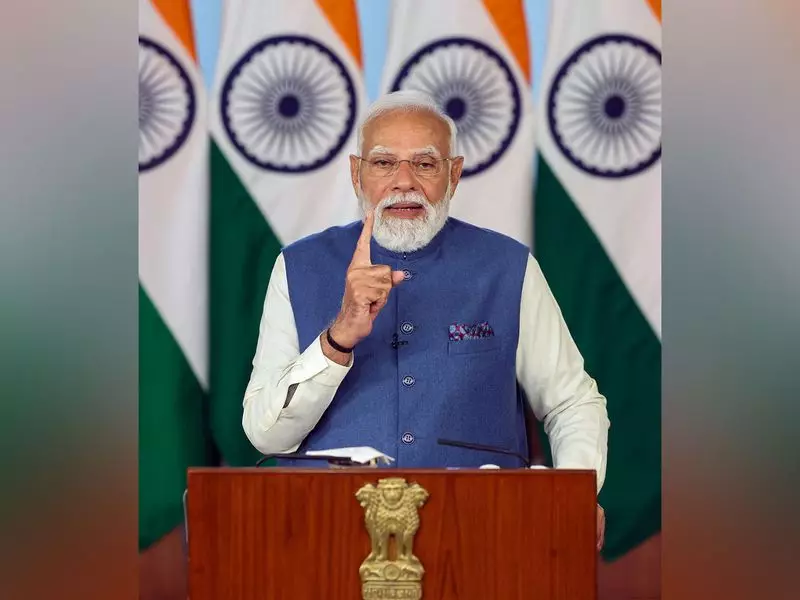
In a virtual address on Wednesday, Prime Minister Modi emphasized the critical role of this project in strengthening India's energy landscape. He described the inauguration as a moment of great pride for the country and a powerful boost to the Aatmanirbhar Bharat (Self-Reliant India) initiative. The facility, built with an investment of approximately Rs 2,790 crore, is designed to convert the heaviest refinery residues into valuable products.
The core function of the RUF is to process 5.4 million metric tonnes per annum (MMTPA) of atmospheric residue. This complex process will yield higher-value products such as petrol and diesel, significantly improving the refinery's overall yield and efficiency. This technological upgrade is a direct move to reduce dependency on imported fuels and enhance the utilization of domestic refining capacity.

Enhancing Capacity and Environmental Sustainability
The integration of the Residue Upgradation Facility is a key part of the broader Visakh Refinery Modernisation Project (VRMP). This modernization effort has successfully increased the refinery's crude processing capacity from 8.33 MMTPA to 15 MMTPA. The Prime Minister highlighted that this expansion not only makes the refinery one of the largest public sector units in the region but also aligns with global environmental standards.
By converting residual oil into cleaner transportation fuels, the project supports India's commitment to a sustainable energy future. It represents a dual victory: advancing industrial capability while adhering to responsible environmental practices. The facility's operations are expected to contribute to a reduction in the carbon footprint associated with refining processes.
Economic and Strategic Implications for the Nation
The commissioning of this facility carries profound economic and strategic weight. Prime Minister Modi pointed out that such projects are crucial for a rapidly growing economy like India's, where energy demand is consistently rising. By maximizing output from existing refineries, the nation can curtail its expenditure on fuel imports, thereby conserving valuable foreign exchange and insulating the economy from volatile global oil markets.
The project is also a testament to the growth of India's refining sector. From being a net importer of petroleum products, India has transformed into a net exporter. The Visakhapatnam facility strengthens this position. The Prime Minister commended the collective effort of engineers, technicians, and all stakeholders involved in bringing this complex project to fruition, noting it as an example of national dedication to progress.
In summary, the inauguration of HPC's Residue Upgradation Facility is more than an industrial milestone; it is a strategic investment in India's energy autonomy. It enhances refining efficiency, promotes environmental sustainability, and solidifies the path towards achieving self-reliance in the critical energy sector, directly supporting the vision of a developed India by 2047.