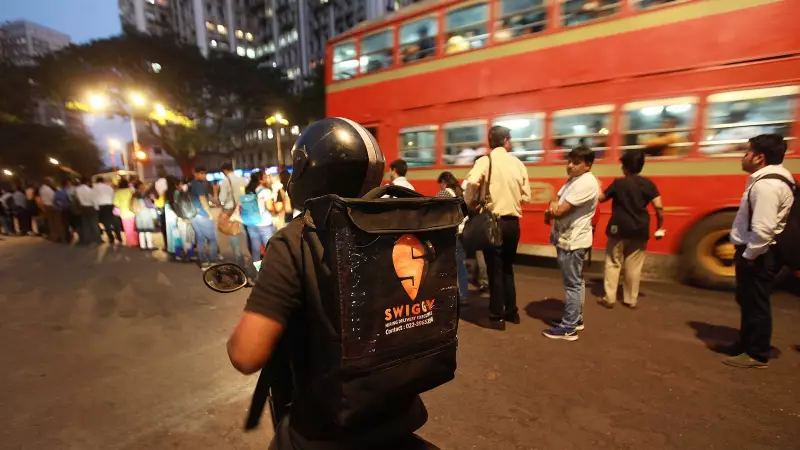
As 2025 draws to a close, India's gig economy faces a powerful wave of protest. Delivery workers across the nation have launched a significant strike on New Year's Eve, bringing their demands for fair wages, transparent payment systems, and an end to the punishing "10-minute delivery" model directly to the doorstep of major platform companies.
A Strategic Strike on a High-Demand Day
The timing of the strike on December 31 is a calculated move by gig workers' unions. Choosing one of the busiest days for food and essentials delivery is designed to maximize impact on businesses like Swiggy Instamart, Zomato, Amazon, and Blinkit. Unions expect participation from over 1 lakh delivery agents, aiming to send an unequivocal message to what they term "platform capitalists."
This is the second such action in a week, following a flash strike on December 25. That earlier protest saw involvement from more than 40,000 workers and disrupted 50-60% of delivery sector business, according to union claims. The New Year's Eve action represents an escalation, leveraging the occasion's promise of higher earnings for workers—a sacrifice underscoring the seriousness of their grievances.

The Human Cost of Instant Delivery
The core of the dispute lies in the rise of instant, or "insta-delivery," services. While marketed as ultimate convenience for tech-savvy customers, this model has drastically intensified pressure on delivery personnel. Workers are ensnared in a system of algorithmic controls and customer rating systems that enforce frenzied work to meet unrealistic 10- to 12-minute deadlines.
Failure to meet these compressed timelines leads to stringent penalties, including having their IDs blocked from accessing the work platforms. In a pay-per-delivery model, such exclusion is catastrophic, instantly wiping out a worker's ability to earn. This constant pressure exacerbates risks of accidents, injuries, and burnout, all while workers are classified as "partners" rather than employees, denying them basic labour benefits and protections.
Systemic Issues and the Demand for Change
Experts point out that platform-based gig work in India is defined by a systemic denial of core labour standards. Workers, often labelled as "self-employed," face prolonged hours and meagre take-home pay after accounting for fuel and vehicle costs. The scattered nature of their work also hinders collective action, making large-scale strikes like this one particularly significant.
The unions' demands are clear: a focus on ensuring fair wages, transparent payment systems, and reasonable working conditions, including stipulated work hours. There is also a growing call for labour-oriented regulations to check algorithmic coercion and the technology-driven alienation of workers.
Encouragingly for the strikers, there appears to be substantial public support. Many customers have expressed solidarity through social media messages and WhatsApp statuses, indicating a growing awareness of the human cost behind instant delivery. While achieving long-term reforms may take time, this nationwide strike has successfully cast a critical spotlight on the working conditions within India's booming gig economy.
The article is based on an opinion piece by Babu P Remesh, Professor and Dean, School of Development Studies, Dr. B.R. Ambedkar University Delhi.