Lenskart Engulfed in Viral Storm Over Alleged Religious Discrimination in Workplace Policy
What began as a quiet discussion about corporate guidelines has rapidly exploded into a full-scale digital crisis for eyewear giant Lenskart. Over recent days, the brand has become the epicenter of intense online debate, trending across platforms not for innovation or service, but for mounting allegations of religious bias in its employee grooming standards. The controversy has escalated far beyond mere policy scrutiny, evolving into a nationwide conversation about identity, expression, and corporate responsibility in modern India.
The Spark: A Leaked Document Ignites Immediate Backlash
The firestorm originated when a document purportedly from Lenskart's internal staff grooming guide began circulating online. This leaked material allegedly indicated that certain Hindu religious symbols—specifically the tilak (forehead mark), bindi (forehead dot), and kalawa (sacred thread)—were being treated differently from other religious attire like hijabs or turbans. The perceived inequity struck a raw nerve with countless social media users, who questioned why some forms of faith expression appeared acceptable while others faced restriction.
Prominent writer Shefali Vaidya amplified these concerns on platform X, vocalizing the central dilemma: "Why are some religious expressions deemed appropriate while others are not?" Her post catalyzed the debate, triggering an instantaneous and polarized reaction across digital communities. Within hours, the issue transformed from niche discussion to mainstream outrage.

Leadership Response Fails to Douse the Flames
As criticism reached fever pitch, Lenskart founder Peyush Bansal stepped forward with a clarification. He asserted that the viral document did not reflect the company's current policy, emphasizing that Lenskart does not restrict religious expression—employees are free to wear bindi, tilak, or any other faith-based symbols. Bansal acknowledged that some older internal documents might have been poorly worded and required revision.
However, this explanation did little to placate the public. Skepticism persisted, fueled further by emerging testimonies from current and former employees. Several individuals reported that during store audits, wearing kalawa had been flagged, with one ex-manager claiming their outlet lost evaluation points because staff members sported the sacred thread. Others hinted at internal grievances and pressure surrounding grooming regulations, though the scale of these incidents remains unverified.
Visual Outrage: Videos Propel Boycott Movement
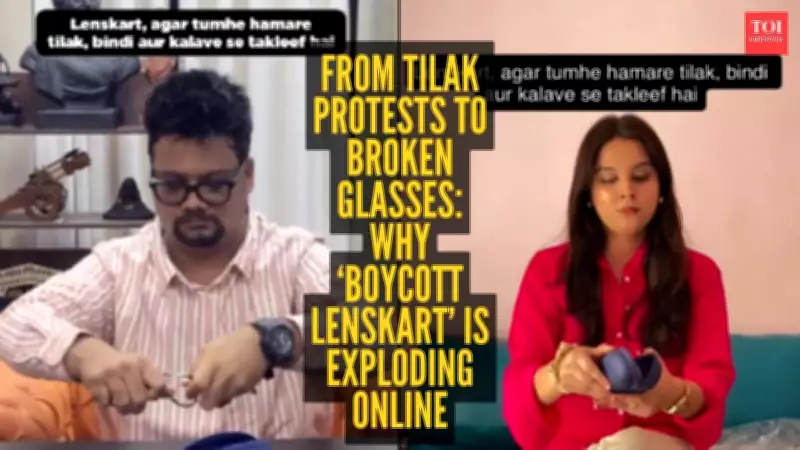
The controversy entered a new, visceral phase when Instagram became flooded with protest videos. In dramatic clips, individuals are seen smashing Lenskart eyeglasses on camera—one person even using a slipper to destroy a pair while captioning it with "Boycott Lenskart." Another video shows a group entering a store, applying tilak on their foreheads while filming, in a defiant act of solidarity; notably, a staff member appears to participate.
These visual statements transformed abstract debate into tangible performance, accelerating the spread of discontent. The narrative solidified into a self-sustaining cycle: the original document, the founder's statement, employee accounts, and now viral videos collectively fuel continuous public engagement.
Broader Implications: Workplace Identity in the Spotlight
This incident has transcended Lenskart alone, tapping into deeper societal nerves regarding how corporations navigate religion, identity, and personal expression at work. In India's diverse cultural landscape, such matters are inherently sensitive and deeply personal. The backlash underscores a growing public expectation for equitable treatment of all faith traditions within professional environments.

Despite Bansal's clarification, the uproar shows no signs of abating. Social media continues to buzz with fresh videos, boycott calls, and heated discourse. Lenskart now confronts the formidable challenge of shifting public perception—a task far more complex than issuing a mere statement. In today's hyper-connected digital era, controversies like this demonstrate how quickly isolated issues can escalate, evolve, and assume a life of their own, leaving brands to navigate the tumultuous aftermath.