Hooda Demands Answers on Women's Reservation Bill Delay
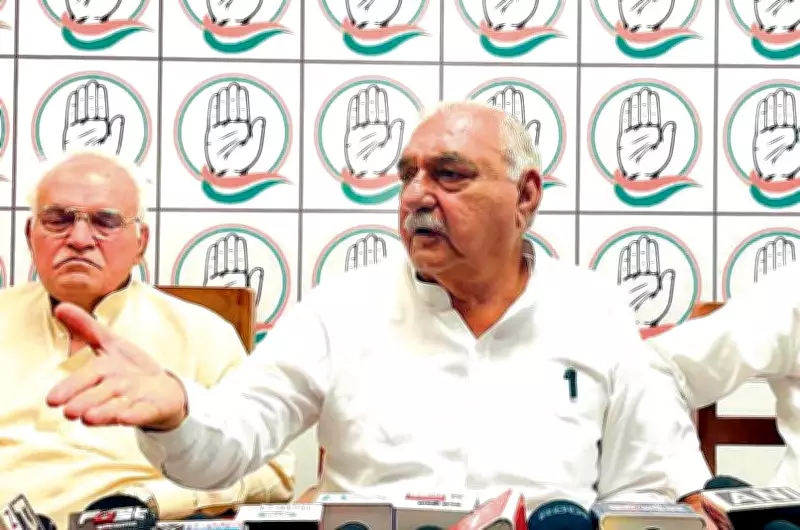
Former Haryana Chief Minister and senior Congress leader Bhupinder Singh Hooda has publicly questioned the government's failure to implement the Women's Reservation Bill in 2023. In a pointed statement, Hooda highlighted the lack of progress on this critical legislation, which aims to reserve one-third of seats in the Lok Sabha and state legislative assemblies for women.
Key Concerns Raised by the Congress Leader
Hooda emphasized that the bill, which has been a long-standing demand for gender equality in Indian politics, was passed by Parliament but has not been enacted. He demanded transparency from the ruling administration regarding the reasons behind the delay. "Why wasn't the Women's Reservation Bill implemented in 2023?" Hooda asked, underscoring the need for accountability in advancing women's representation.
The former chief minister argued that implementing the bill is essential for empowering women and ensuring their active participation in governance. He noted that Haryana, like other states, would benefit from increased female leadership in legislative bodies.

Background and Political Implications
The Women's Reservation Bill, officially known as the Constitution (108th Amendment) Bill, was passed by the Rajya Sabha in 2010 but has faced numerous hurdles since. Hooda's comments come amid ongoing debates about women's rights and political inclusion in India. His critique adds to the pressure on the government to expedite the bill's implementation, which could reshape the political landscape by boosting female representation.
Hooda also linked the delay to broader issues of governance and commitment to gender parity. He urged political parties across the spectrum to prioritize this matter, stating that further postponement undermines democratic principles.
Public and Political Reactions
Hooda's remarks have sparked discussions among activists and politicians, with many echoing his call for action. Supporters of the bill argue that its implementation is overdue and crucial for addressing gender disparities in politics. Critics, however, cite logistical challenges and the need for consensus among various stakeholders.
As the debate intensifies, Hooda's intervention highlights the persistent gap between legislative intent and execution. The former chief minister's demand for clarity serves as a reminder of the ongoing struggle for women's empowerment in India's political arena.