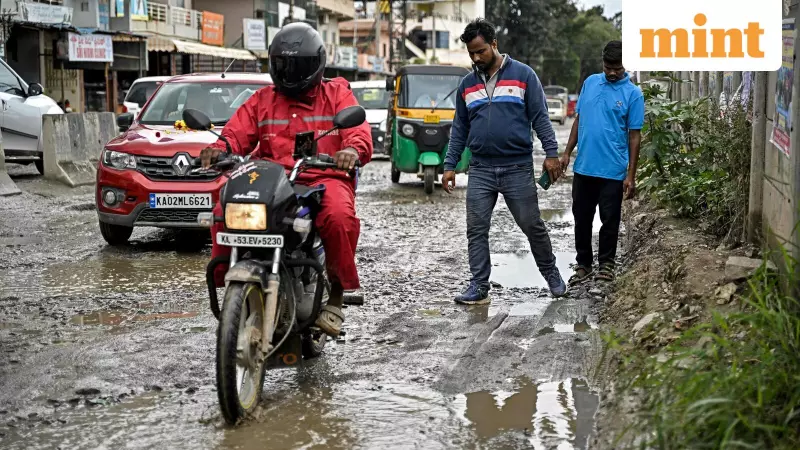
Delivery and platform workers associated with major companies like Swiggy, Zomato, Zepto, and Amazon have launched a nationwide strike on Wednesday. The protest, organized by the Indian Federation of App-Based Transport Workers (IFAT), highlights deep-seated grievances over pay structures, lack of insurance, and exploitative work conditions.
Voices from the Ground: Long Hours, Low Pay, and No Safety Net
Food delivery agents participating in the strike have shared harrowing accounts of their daily struggles. A common complaint is the drastic reduction in payouts despite working excessively long hours. One delivery partner revealed that after working for 14 hours, they often earn only between ₹700 and ₹800. The initial rate cards, which were considered fair, have been altered, significantly cutting into their earnings.
The absence of company-provided insurance emerged as a critical issue. One agent narrated a tragic incident where a rider met with an accident at Barakhamba but received no claim from the company. "Our team leader and senior company officials told him to create a PDF, which they would send to Bangalore... There was no response from there," he said. Fellow workers had to collectively contribute ₹1000-2000 each to support the injured colleague, who is now forced to work night shifts to recover financially.

Workers also face arbitrary penalties and intimidation. Orders cancelled for any reason result in penalties levied on the rider. Complaints to team leaders are often met with hostility, and arguing can lead to their IDs being blocked, effectively cutting off their livelihood.
Union Demands: Scrap 10-Minute Delivery, Restore Old Pay
Leading the charge, Shaik Salauddin, President of the Telangana Gig and Platform Workers Union (TGPWU), has put forth clear demands to the platform companies. He has called for the reinstatement of the old payout structure and the complete removal of the 10-minute delivery option from all platforms.
Salauddin claimed strong support for the movement, stating that over 1.5 lakh workers across India are backing the strike, with more expected to join. He also alleged aggressive tactics from the companies to break the strike. "Workers are being threatened. Bouncers are being deployed near warehouses, and IDs are being blocked through team leaders and area managers," he told ANI. He urged both state and central governments to intervene in the matter.
Political Support and the Pressure of Quick Commerce
The call to ban hyper-fast delivery services has found political backing. Aam Aadmi Party Rajya Sabha MP Raghav Chadha reiterated the demand, stating that gig workers are the most oppressed group in the quick-commerce ecosystem. He argued that these workers are the backbone of companies that have achieved unicorn status and billion-dollar valuations.
Chadha highlighted the human cost of the 10-minute delivery promise. It forces gig workers to drive recklessly, increases anxiety, and exposes them to customer abuse for late deliveries, all while they are denied basic worker protections like insurance. To improve conditions, he has proposed setting mandatory working hours to end the practice of workers logging 14-16 hour days just to earn incentives.
The nationwide strike underscores a growing crisis in India's gig economy. As platform companies continue to grow, the workers who power their operations are demanding dignity, fair compensation, and a safety net that recognizes their essential role.