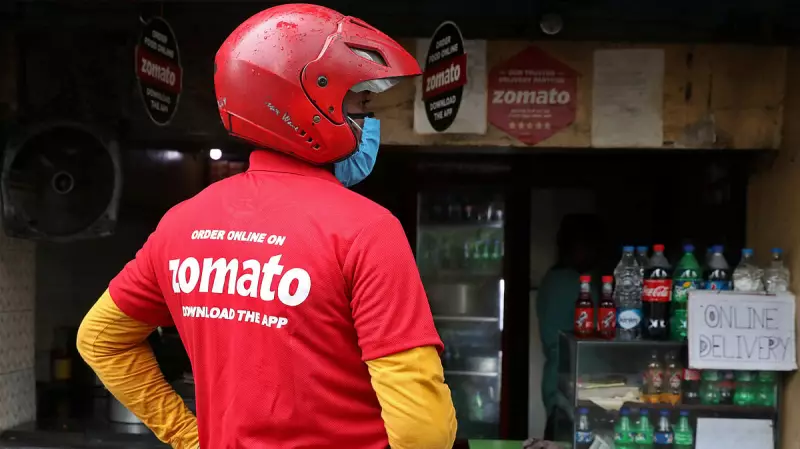
India's bustling e-commerce and food delivery landscape experienced a significant test on New Year's Eve 2025, as a section of gig workers went on strike. However, major platforms like Zomato and Swiggy managed to maintain largely uninterrupted services across the country.
Strike Action Meets Strategic Countermeasures
On Wednesday, 31st December 2025, gig workers associated with delivery and ride-hailing services staged demonstrations in several locations to voice their demands. The protests highlighted ongoing concerns regarding pay structures, working conditions, and benefits within the platform economy.
Despite these organized efforts, the operational impact on end-user services was minimal. Companies had anticipated potential challenges during the high-demand festive period and implemented pre-emptive strategies.

Incentives Ensure Service Continuity
The key to weathering the strike lay in strategic planning by the firms. Both Zomato and Swiggy proactively offered increased incentives and bonuses to their delivery partners. This move is a standard operational practice during peak festive seasons like New Year's Eve, designed to attract a higher number of workers to meet surging demand.
By boosting earnings potential for the day, the platforms successfully ensured that a sufficient fleet of delivery executives remained active. This effectively mitigated the impact of the striking workers, allowing dinner orders and last-minute purchases to reach customers with only minor, localized delays.
Analysis of the Outcome and Future Implications
The event of 31st December 2025 underscores a recurring dynamic in India's gig economy. While worker collectives are becoming more vocal, large platforms possess significant operational leverage, especially during critical periods. Their ability to deploy financial incentives acts as a buffer against service disruption.
However, the strike itself signals deepening unrest. The fact that workers chose a high-visibility day like New Year's Eve demonstrates a strategic attempt to amplify their cause. It points to unresolved systemic issues that extend beyond temporary incentive pay.
Industry observers note that while services were maintained this time, the underlying tensions remain. The event may prompt further discussions on sustainable wage models and social security frameworks for gig workers, even as companies celebrate the seamless execution of their peak-season logistics.