

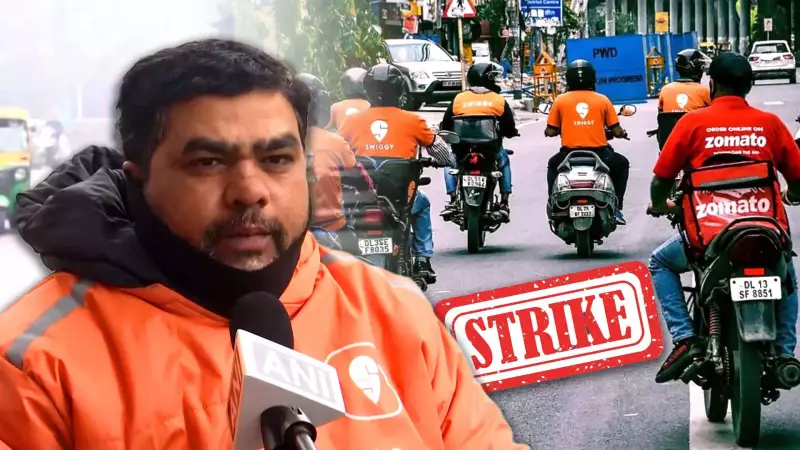
In a significant move set to disrupt New Year's Eve celebrations, gig workers across India have launched a nationwide strike. The primary demands include the immediate removal of the controversial 10-minute delivery option and the restoration of previous, more favorable payout structures.
Unsafe Pressure and Reduced Earnings Spark Protest
The strike, organized for Wednesday, December 31, 2025, stems from growing discontent among delivery partners. Shaik Salauddin, the president of the Telangana Gig and Platform Workers Union (TGPWU), has been vocal about the issues. He argues that the fast-delivery model imposes unsafe pressure on workers, forcing them to rush through traffic and compromise their safety. Simultaneously, recent alterations to payment systems have led to a noticeable reduction in their overall earnings.
This is not the first show of strength by the workers. A major demonstration was held earlier on December 25, where an estimated 40,000 workers participated. That protest caused significant delays, affecting more than half of all deliveries across the country. Building on that momentum, thousands are expected to join the New Year's Eve strike, potentially causing major disruptions during one of the busiest delivery periods.

Union's Demands and Call for Government Intervention
The union has presented clear demands to the platform companies. They are calling for a complete rollback of the 10-minute delivery service and the reinstatement of the old payout structure that guaranteed better remuneration for their work. Beyond addressing the companies, the TGPWU has also appealed to both state and central governments to intervene in the matter. They seek regulatory oversight to ensure fair wages and safe working conditions in the rapidly growing gig economy.
Potential Impact and the Road Ahead
The nationwide strike is poised to impact millions of consumers relying on quick deliveries for their year-end plans. The action highlights the deepening rift between gig workers and the platforms they serve, bringing the debate over workers' rights in the digital age to the forefront. The outcome of this protest could set a crucial precedent for labor relations within India's app-based service industry, influencing policies on wages, safety, and work pressure for millions.






