

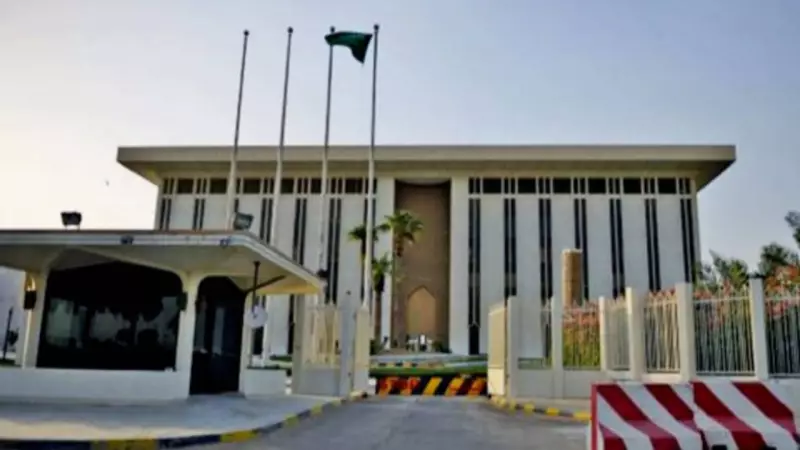
In a landmark move to enhance affordability and transparency in its financial sector, Saudi Arabia has unveiled a comprehensive new guide that dramatically reduces customer fees. The Saudi Central Bank, known as SAMA, announced the framework, which imposes caps on charges across a wide range of services and actively promotes digital solutions.
SAMA's New Fees Framework: A Push for Fairness
The newly issued guide will replace the existing Banking Tariff and applies to all banks and payment companies regulated by SAMA. Financial institutions have been given a period of 60 days from its publication to align their systems and disclosures with the new rules. Once enforced, the guide aims to standardize fees across the Kingdom, ensuring customers are subject to fair and reasonable charges.
SAMA emphasized that the guide is designed to strengthen disclosure, support financial inclusion, and encourage the wider adoption of digital channels. This update marks the first guide covering all financial institutions and represents the third edition specific to banks, highlighting the ongoing modernization of Saudi Arabia's financial landscape.

Major Reductions in Key Banking Services
The guide introduces significant cost savings for consumers, particularly in popular banking products and services.
For financing products like consumer and motor finance leasing (excluding real estate), the administrative fee cap has been halved. Previously capped at 1% of the finance amount or 5,000 Saudi Riyals (whichever was lower), the new limit is set at 0.5% or SR 2,500, whichever is lower. This represents a substantial reduction for individuals seeking personal or vehicle loans.
Fees for the widely used Mada card services have also been sharply reduced to make card usage more predictable:
- Card re-issuance (due to loss, damage, or incorrect password attempts): Reduced from SR 30 to just SR 10.
- International transaction fees: Capped at 2% of the transaction amount.
- International cash withdrawals (excluding GCC NET): Capped at 3% of the value, with a maximum of SR 25.
- Fees for invalid objections to transactions are now capped at SR 15.
SAMA clarified that these stated fees do not include delivery costs, and customers can avoid extra charges by collecting their cards directly from bank branches.
Lower Costs for Everyday Banking and Digital Transfers
The reforms extend to routine banking operations, making them more affordable. The cost of issuing a bank check has been cut from SR 10 to SR 5, while obtaining a copy of a check older than one year now costs SR 10, down from SR 20. Setting up a standing payment order at a branch now costs SR 5 instead of SR 15, and revoking such an order is free of charge.
In a clear push to accelerate digital adoption, the guide standardizes fees for domestic electronic transfers via bank accounts and digital wallets:
- Transfers up to SR 2,500: Fee of SR 0.5
- Transfers between SR 2,500 and SR 20,000: Fee of SR 1
This move is expected to reduce the cost barrier for small and medium-sized transactions and encourage a shift away from cash.
Furthermore, SAMA has removed or lowered charges for account-related documents. The first issuance of a debt confirmation or transfer certificate is now free, as are account statements for periods less than a year. Requests for statements older than a year will cost SR 15 if made at a branch, but remain free if requested electronically, aligning with the digital-first objective.
Implementation and Broader Impact
The full guide is available on SAMA's official website via its Rulebook portal. The updated fee structure is a core part of SAMA's broader strategy to protect consumers, improve sector efficiency, and fast-track the use of digital financial services. By implementing these changes, Saudi Arabia reinforces confidence in its financial system while making banking more transparent and accessible for all its residents.






