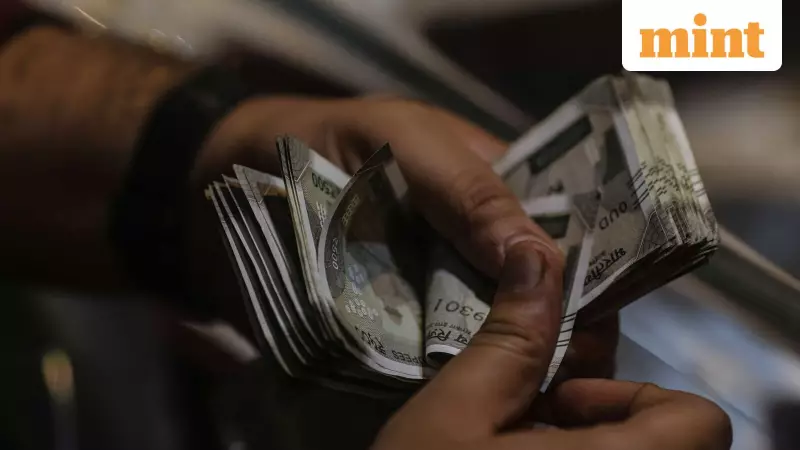
Indian Rupee Plunges to Historic Low, Nears Critical 92 Mark Against US Dollar
The Indian rupee has continued its downward trajectory, hitting a fresh all-time low on Friday, January 23, 2026. The domestic currency weakened significantly against the US dollar, breaching previous records and inching closer to the psychologically important 92 mark.
Rupee Slumps to 91.99, Marking Sharp Decline
According to market data, the rupee slipped to 91.99 against the US dollar during trading sessions, surpassing the previous record low of 91.7425 that was recorded just two days earlier on Wednesday. This represents a substantial decline of 0.63% from its last closing price of 91.41, highlighting the persistent pressure on the domestic currency.
Strong US Dollar Demand Drives Rupee Depreciation
The primary factor behind this significant depreciation appears to be robust demand for the US dollar from various market participants. Corporate entities and importers have been particularly active in seeking dollar holdings, creating sustained pressure on the rupee's valuation in the foreign exchange market.

Market analysts point to several contributing elements to this trend:
- Increased dollar buying by importers to meet international payment obligations
- Corporate demand for foreign currency to service overseas debt and expenses
- Broader global strength of the US dollar against multiple currencies
- Market sentiment favoring dollar-denominated assets amid global economic uncertainties
Historical Context and Market Implications
This latest development marks a continuation of the rupee's challenging performance in recent trading sessions. The breach of the 91.74 level that was established earlier in the week demonstrates the currency's vulnerability to external pressures and domestic market dynamics.
The approaching 92 per dollar threshold represents a significant psychological barrier for traders and investors. Market participants are closely monitoring whether the rupee will stabilize at current levels or continue its descent toward this critical milestone.
Financial experts suggest that several factors could influence the rupee's direction in coming sessions:
- Intervention measures by the Reserve Bank of India to support the currency
- Changes in global crude oil prices affecting India's import bill
- Foreign institutional investment flows into Indian markets
- Broader trends in emerging market currencies against the dollar
The currency market remains volatile, with traders adjusting their positions in response to these evolving dynamics. This development comes at a time when global financial markets are navigating multiple economic challenges, adding complexity to currency valuation assessments.
Market observers continue to monitor the situation closely, as the rupee's performance has significant implications for India's trade balance, inflation outlook, and overall economic stability. The coming trading sessions will be crucial in determining whether the domestic currency finds support or extends its record-breaking decline.