In a significant move that underscores a strategic evolution in its approach, the Reserve Bank of India (RBI) has opted for a rate cut even as the economy demonstrates robust growth. This decision, announced on 02 January 2026, signals a pragmatic shift in the central bank's philosophy, moving beyond a rigid focus on inflation targeting.
A Shift in Monetary Policy Philosophy
The latest policy action marks a new realisation within the RBI's corridors. There is a growing acknowledgment that inflation targeting and policy rates alone cannot steer growth in a complex economy like India's. For years, the primary mandate was to keep inflation within a targeted band. However, the current decision indicates a more holistic view, where supporting economic expansion is being given concurrent priority alongside price stability.
This nuanced approach suggests that the central bank is reading a wider set of indicators beyond just consumer price indexes. It is assessing global headwinds, domestic investment cycles, and the need to sustain the momentum in key sectors. The rate cut, therefore, is not a reaction to economic weakness but a proactive measure to fortify existing growth against potential future slowdowns.

Decoding the Timing and Context
The timing of this move, as highlighted by commentators including Gourishankar S Hiremath and Neha Sharma, is particularly telling. Implementing a rate cut in an environment of strong growth is a bold departure from conventional textbook responses. Typically, central banks raise rates to cool an overheating economy and lower them to stimulate a sluggish one.
By choosing to reduce rates amid robustness, the RBI is sending a clear message: it is confident about the economy's underlying strength but is also preemptively removing hurdles for cheaper credit. This aims to boost capital expenditure by businesses and support consumer demand for big-ticket items, thereby lengthening the growth cycle. The decision reflects a deep confidence in the economy's fundamentals and a forward-looking stance to navigate uncertain global economic conditions.
Implications for the Future Economic Landscape
The consequences of this pragmatic shift are manifold. For markets, it implies a potentially extended period of accommodative financial conditions, which is positive for equities and bonds. For businesses, especially in capital-intensive and interest-sensitive sectors like real estate and automobiles, borrowing costs will become more favourable, potentially spurring investment and expansion plans.
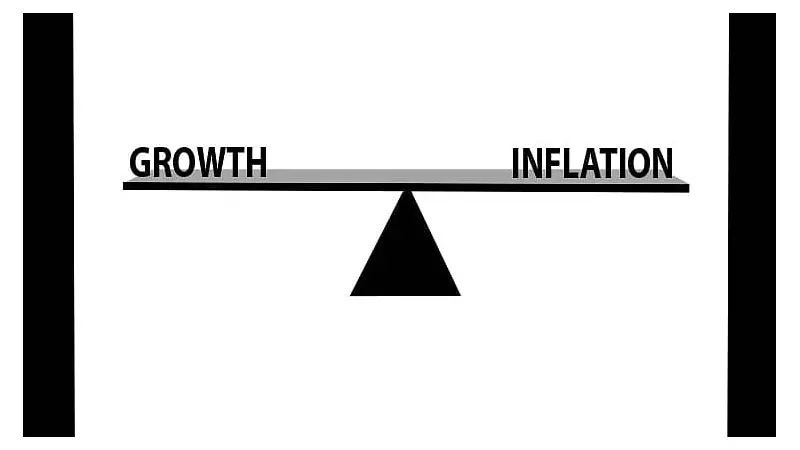
For the common citizen, the immediate impact may be felt in the form of slightly lower loan EMIs, which could free up disposable income. However, the RBI will have to walk a tightrope, ensuring that this growth-supportive measure does not reignite inflationary pressures down the line. This new balancing act between growth and inflation will define the central bank's policy trajectory in the coming quarters.
In conclusion, the RBI's January 2026 rate cut is more than a routine policy adjustment; it is a statement of intent. It marks the maturation of India's monetary policy framework into a more flexible, responsive, and growth-conscious tool. The central bank has demonstrated its willingness to adapt its tools to the unique demands of the Indian economic story, prioritizing sustainable long-term expansion alongside its unwavering commitment to macroeconomic stability.