Pakistan Gripped by Deadly Protests Following Iran Leader's Killing
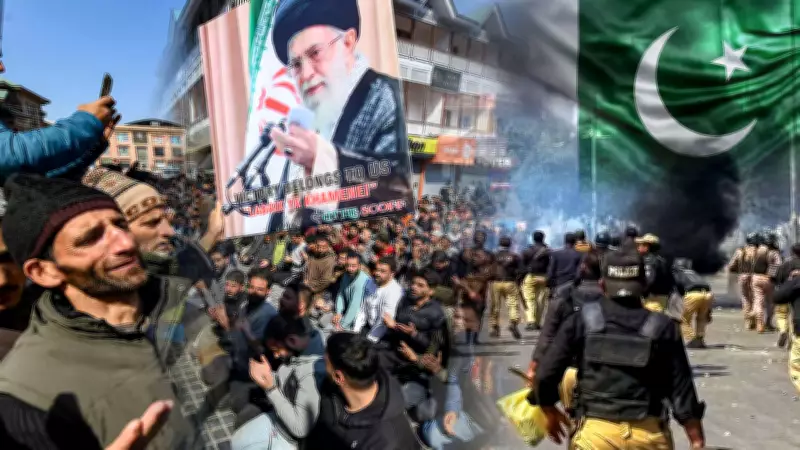
Pakistan has been plunged into chaos as violent demonstrations erupted nationwide following the killing of Iran's supreme leader, Ayatollah Ali Khamenei. The unrest has resulted in at least 21 confirmed deaths across multiple cities, with security forces struggling to contain the escalating situation.
Karachi Consulate Stormed in Fatal Confrontation
In the port city of Karachi, hundreds of pro-Iran demonstrators stormed the United States consulate, chanting anti-American slogans and setting a small fire within the compound. The situation quickly escalated when security forces responded with live fire, resulting in 10 protesters killed and more than 30 others injured in the violent confrontation.
The Karachi incident represents the most severe outbreak of violence in the current wave of protests, with eyewitnesses describing scenes of chaos as demonstrators attempted to breach consulate security barriers while security personnel deployed tear gas and rubber bullets before resorting to lethal force.

Nationwide Unrest Spreads Across Pakistan
The violence was not confined to Karachi alone. Additional fatalities were reported in the northern region of Gilgit-Baltistan and the capital city of Islamabad, where protesters clashed with law enforcement agencies. The total death toll across Pakistan has reached 21, with dozens more injured in various confrontations between demonstrators and security forces.
These protests represent the most significant unrest in Pakistan in recent years, with demonstrators expressing outrage over the killing of Ayatollah Khamenei, who led Iran for 36 years and was a central figure in Middle Eastern politics. His death has triggered widespread anger among his supporters across the region.
Regional Tensions Spill Into Iraq
The unrest has extended beyond Pakistan's borders, with hundreds of protesters in Baghdad, Iraq attempting to breach the heavily fortified Green Zone near the United States embassy. Demonstrators waved flags and threw stones at security forces, who responded with tear gas to disperse the crowds.
This regional response highlights the significant influence Ayatollah Khamenei maintained throughout the Middle East, particularly among Iran-backed militias and sympathetic populations. His leadership oversaw Iran's expansion of regional influence through proxy forces and diplomatic initiatives that reshaped Middle Eastern geopolitics.
Legacy of a Controversial Leader
Ayatollah Ali Khamenei's 36-year tenure as Iran's supreme leader was marked by significant regional transformation. Under his guidance, Iran developed extensive networks of proxy militias across the Middle East, engaged in nuclear negotiations with world powers, and maintained a confrontational stance toward Western nations, particularly the United States and Israel.
His sudden death has created a power vacuum in Iran and left the entire region on edge, with concerns about potential succession struggles and increased instability. The violent protests across Pakistan and Iraq demonstrate how Khamenei's influence extended far beyond Iran's borders, with loyal supporters willing to take to the streets in dramatic displays of grief and anger.
The international community is closely monitoring the situation as security forces across multiple nations work to contain the unrest. Diplomatic missions have heightened security measures, particularly American facilities in volatile regions, while regional governments assess the potential for further escalation in the coming days.