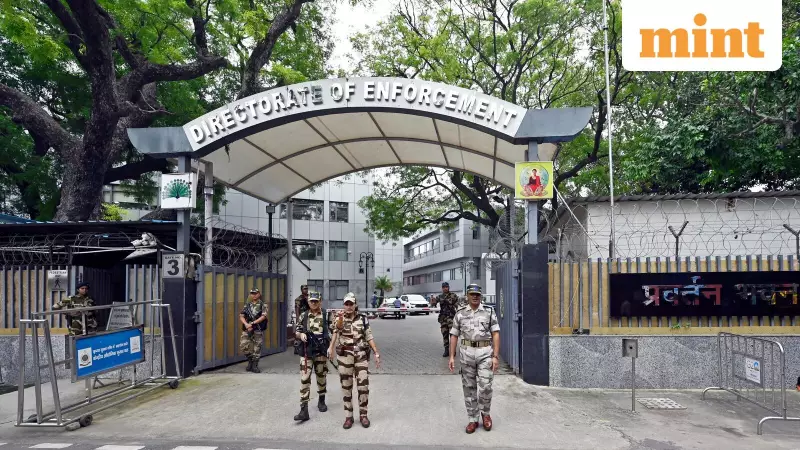
ED Files Formal Charges Against WinZO Gaming Platform Over Massive Financial Fraud
The Enforcement Directorate has taken a significant legal step against popular real-money gaming platform WinZO, filing a formal chargesheet that alleges players were systematically duped out of a staggering ₹734 crore through manipulated game algorithms and artificial intelligence bots.
Chargesheet Details and Accused Parties
According to official documents, the ED's Bengaluru zonal office submitted the prosecution complaint on January 23 before a special court designated to handle cases under the Prevention of Money Laundering Act. The chargesheet names multiple entities and individuals, including Winzo Pvt. Ltd., its directors Paavan Nanda and Saumya Singh Rathore, and several wholly-owned subsidiaries operating both domestically and internationally.
The international subsidiaries specifically mentioned in the legal documents include Winzo US Inc. in the United States, Winzo SG Pte. Ltd. in Singapore, and ZO Pvt. Ltd. This comprehensive listing indicates the global reach of the investigation and the alleged financial operations.

Platform Operations and User Base
WinZO operated a mobile gaming application that offered more than 100 different games to its substantial user base. The platform reportedly attracted approximately 25 crore users, with a significant concentration coming from tier-3 and tier-4 cities across India. This demographic detail highlights the potential vulnerability of users from less urbanized areas who may have been particularly affected by the alleged fraudulent practices.
The company generated revenue by charging a percentage commission on betting amounts placed by users. Crucially, WinZO publicly assured its user community that their gaming platform was completely free from computer-controlled bots, transparent in its operations, and secure for financial transactions.
Alleged Manipulation Techniques
Investigators claim to have uncovered sophisticated manipulation methods employed by the gaming platform. Analysis of game codebases, third-party developer agreements, and internal company communications revealed that until December 2023, real-money games were systematically embedded with:
- Computer-controlled bots designed to influence game outcomes
- Artificial intelligence systems programmed to maximize user losses
- Algorithm profiles specifically created to manipulate gameplay
From May 2024 to August 2025, following increased scrutiny, WinZO allegedly modified its approach. Instead of using code-based bots, the company began simulating historical match-play data from dormant and inactive player accounts, pitting these simulated profiles against real users without their knowledge or consent.
Deceptive Practices and Financial Impact
The ED's investigation alleges that WinZO employed a calculated strategy to build false trust among users. New players were initially lured with small bonuses and allowed to win against easy bot opponents. The platform even permitted withdrawal of these small winnings to create an illusion of legitimacy and fairness.
However, once users began playing with higher stakes, the system allegedly deployed more sophisticated, hard-to-beat bots systematically. This resulted in substantial financial losses for genuine players. Furthermore, when users did achieve legitimate winnings at higher stakes, restrictive withdrawal mechanisms often blocked their access to these funds, forcing continued gameplay and additional losses.
Financial Scale and Money Laundering Allegations
The financial scale of the alleged fraud is monumental. Between the 2021-2022 and 2025-2026 financial years (as recorded until August 22, 2025), WinZO allegedly generated proceeds of crime totaling ₹3,522.05 crore. Even after the Union government banned real-money gaming apps in August 2025, the company reportedly failed to return legitimate user winnings and deposits worth ₹47.66 crore.
The investigation further alleges that proceeds generated through these manipulative practices were laundered through shell companies established in the United States and Singapore, indicating an international dimension to the financial operations.

Human Impact and Legal Proceedings
Evidence recovered from seized electronic devices reportedly reveals the severe human consequences of these alleged practices. Many users, particularly those from economically disadvantaged backgrounds, experienced significant financial distress. Some users reportedly suffered extreme mental health consequences, including suicidal tendencies, as a result of their losses on the platform.
The ED had previously conducted raids at WinZO premises and arrested promoters Paavan Nanda and Saumya Singh Rathore. While Rathore has been granted bail, the formal chargesheet represents a major development in the legal proceedings against the company and its leadership.
This case highlights growing regulatory concerns about the real-money gaming industry in India and establishes important precedents for how financial authorities will investigate and prosecute alleged fraud in digital gaming platforms.