
2026 Trends: Hinterland Hiring, Gig Growth, AI Disruption
Explore India Inc's 2026 outlook: cost-driven hiring from smaller towns, gig workforce expansion, and AI's deep impact on jobs. Get insights to prepare for the shifts ahead.

Explore India Inc's 2026 outlook: cost-driven hiring from smaller towns, gig workforce expansion, and AI's deep impact on jobs. Get insights to prepare for the shifts ahead.

Food delivery workers in Chhatrapati Sambhajinagar are on strike demanding fair wages, social security, and regulated hours. State-wide token strike observed. Read about their demands and the government's response.

Delivery workers across India, led by major unions, are striking on December 25 and 31, demanding fair pay and better safety equipment from platforms like Zomato and Swiggy. Read more.

Delivery and gig workers from Swiggy, Zomato, Amazon, and others announce a nationwide strike on December 25 and 31, 2025. They demand fair pay, safety, and an end to the 10-minute delivery model. Read their full demands.
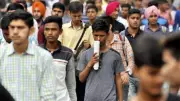
Over 16,000 gig workers in Maharashtra will strike on December 25, disrupting food deliveries. They demand fair wages, social security, and an end to exploitative practices in India's app-based economy.

Union Minister Nitin Gadkari emphasized knowledge as the most powerful tool for India to achieve PM Modi's mission of becoming a $5 trillion economy and the world's third-largest economy.

The UAE's innovative circular economy policies are creating new pathways for sustainable growth, aiming to generate $2 billion in savings by 2030. Discover how the nation is leading the green transition.

Uttar Pradesh is constructing eight hostels for working women, with most set for completion in 2026. The state has also proposed seven more facilities. Learn about the funding and locations here.

A 25-year-old food delivery rider in China saved 1.12 million yuan (₹1.3 crore) in five years through extreme discipline. Read his inspiring story of debt repayment and future business plans.

Zhang Xueqiang, a 25-year-old food delivery worker in China, saved 1.12 million yuan (₹1.3 crore) in five years by working gruelling 13-hour shifts, seven days a week. Discover his incredible journey from debt to financial freedom.

Jharkhand Governor Santosh Gangwar approves the Platform Based Gig Workers Bill, 2025, paving the way for minimum wages and social security for gig workers in the state. Read more.

India's food delivery sector added 290,000 jobs, but experts warn of long hours and low pay. New social security rules may offer a safety net for gig workers. Read more.

Actor Radhika Apte joins Deepika Padukone in demanding fixed work hours in Bollywood. The new mother says she won't accept projects without a strict 12-hour cap, citing family time.

India's new labour codes aim to formalise the vast informal sector, offering social security. But do gig workers truly benefit? We analyse the gaps between legal recognition and real protection.

AAP MP Raghav Chadha exposes alleged systemic exploitation of gig workers after a Blinkit delivery agent earned just Rs 763 for nearly 15 hours of work. Calls for fair wages and social security.

AAP MP Raghav Chadha exposes harsh realities of India's gig economy after a Blinkit delivery executive earned only ₹762 for 28 deliveries. Read about the systemic exploitation and calls for fair wages.
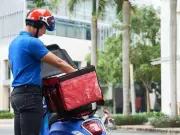
A Telangana union study exposes harsh realities for Hyderabad's app workers: arbitrary penalties, no grievance systems, and zero social security. Read the full report and demands.

AAP MP Raghav Chadha raises the urgent need for a legal framework to protect India's gig workers, demanding fair pay, social security, and dignity. Read his full proposal.
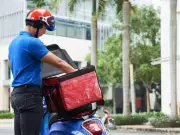
Telangana gig workers union demands urgent action from minister G Vivek over falling payouts, arbitrary account blocking, and safety issues at logistics platform Porter. Read their key demands.

Researchers at a CERAI event call for human-centric AI in India's gig economy, highlighting risks of algorithmic bias and the need for fair work practices. Learn more.

Prayagraj district authorities have allocated land in Sohbatiyabagh for a new 500-bed working women's hostel, enhancing safety and accommodation for employed women in the region.

Vandana Vasudevan's OTP Please! uncovers the emotional realities of gig economy participants across South Asia. Discover how buyers, workers and platforms mirror each other in surprising ways.

A deep cyclone brings blizzard conditions to the Great Lakes and heavy snow across northern plains, creating hazardous Thanksgiving travel. Details inside.

Airline catering workers staged protest at Los Angeles Airport over unsafe working conditions and wage violations. Police intervened as demonstration slowed airport traffic.

India's new labour code mandates Swiggy and Zomato to contribute 1-2% of turnover for gig worker welfare, potentially adding billions in costs that may be passed to customers. Analysis shows impact on profitability.

India's new labour codes will cost Zomato and Swiggy 1-2% of turnover for gig worker security. Analysts expect minimal short-term financial impact as companies may pass costs to customers. Read analysis.

India's newly notified labour codes could transform the workforce and boost economic growth, but implementation challenges and infrastructure readiness remain crucial for success.

India's new labour codes bring timely wages, equal pay, health checkups and social security for gig workers. Learn how these reforms impact employees and employers across sectors.

India implements 4 new labour codes replacing 29 outdated laws to modernize regulations, boost formalization and protect gig workers. A crucial step for economic growth.

India's 7.7 million gig workers finally receive formal social security benefits including insurance, pensions, and accident coverage through new government initiatives.