

Formalising India's massive informal economy is widely seen as a cornerstone for sustainable growth, promising workers greater stability, social security, and reduced vulnerability. With approximately 80% of India's 570 million workforce engaged in informal employment, recent government efforts, particularly the consolidation of 29 old laws into four new Labour Codes, mark a significant legislative shift. However, the critical question remains: does legal recognition, especially for gig and platform workers, translate into meaningful social protection and decent work?
The Four Pillars: Understanding the New Labour Codes
The Union Ministry of Labour and Employment overhauled the regulatory landscape by introducing four comprehensive codes. The Code on Wages (2019) subsumes laws like the Minimum Wages Act, mandating equal pay for women. Yet, experts express concern that its proposed national floor wage of Rs 168 per day could potentially lower minimum wages in states where they are currently higher.
The Industrial Relations Code (2020) raises the threshold for government permission for retrenchment or closure from 100 to 300 workers, a move critics argue prioritises labour market flexibility. The Occupational Safety, Health and Working Conditions Code (2020) redefines a 'factory,' increasing the worker threshold and potentially excluding thousands of small units from stringent regulations.

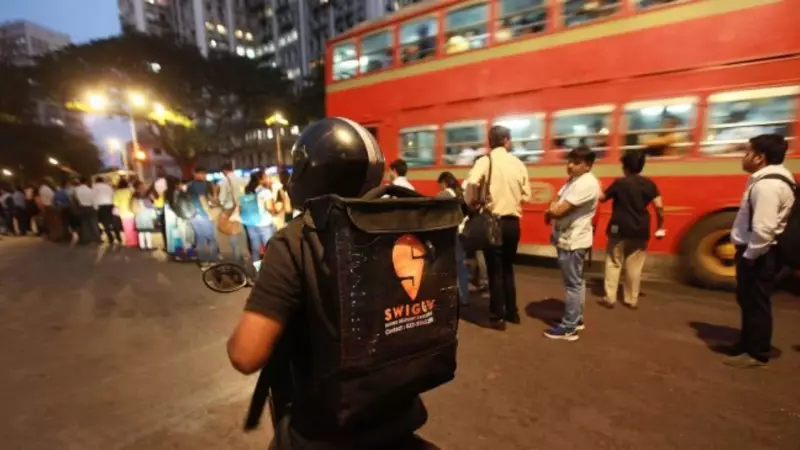
Most notably for the new-age workforce, the Code on Social Security (2020) makes a historic move by legally defining 'gig workers' and 'platform workers.' It recognises those working outside traditional employer-employee relationships. However, it stops short of classifying them as 'employees,' which means platforms like Zomato and Swiggy are not liable for standard employer contributions like Provident Fund.
Systemic Push for Formalisation: e-SHRAM and Beyond
The government's formalisation strategy extends beyond legislation. A key systemic intervention is the e-SHRAM National Database, launched in 2021. By November 2025, it had registered over 31.38 crore unorganised workers, including construction labourers, domestic help, street vendors, and gig workers. Registration provides accidental insurance cover and links workers to schemes like PMAY-G and Atal Pension Yojana, though applying for each requires separate action.
Other measures include the Goods and Services Tax (GST) and sectoral pushes like the Udyam portal for MSME registration, start-up incentives, and credit-linked schemes such as PMEGP and Mudra loans. Data suggests these efforts are having an impact; the Employees' Provident Fund Organisation (EPFO) saw new subscriptions surge from 61 lakh in FY 2019 to 139.78 lakh in FY 2025.
The Gig Worker Paradox: Recognition Without Full Rights
Despite being 'recognised,' gig workers exemplify the gap between formalisation in name and substance. The Social Security Code mandates that aggregators contribute only 1-2% of their annual turnover (capped at 5% of payments to workers) to a Social Security Fund. Experts argue this yields minimal benefits for a highly vulnerable group bearing high operational costs for fuel, internet, and equipment.
This creates a scenario of 'glorified informalisation.' Workers remain subject to opaque algorithmic management, arbitrary account deactivation, and a significant wage gap compared to permanent employees. Women gig workers face a 'double burden' of paid and unpaid work, compounding their precarity. Unlike the European Union model, which places full employer responsibility on platforms, India's framework offers limited protection.
In conclusion, the new labour codes are an important foundational step towards bringing structure to India's informal economy. However, true formalisation is not merely about registration numbers on e-SHRAM or Udyam. It must translate into less precarity, better wages, occupational safety, and robust social protection. For gig workers, legal recognition is a start, but addressing structural vulnerabilities like algorithmic transparency, wage disparities, and the high cost of operation requires deeper, more thoughtful policy interventions to ensure dignified work for all.






