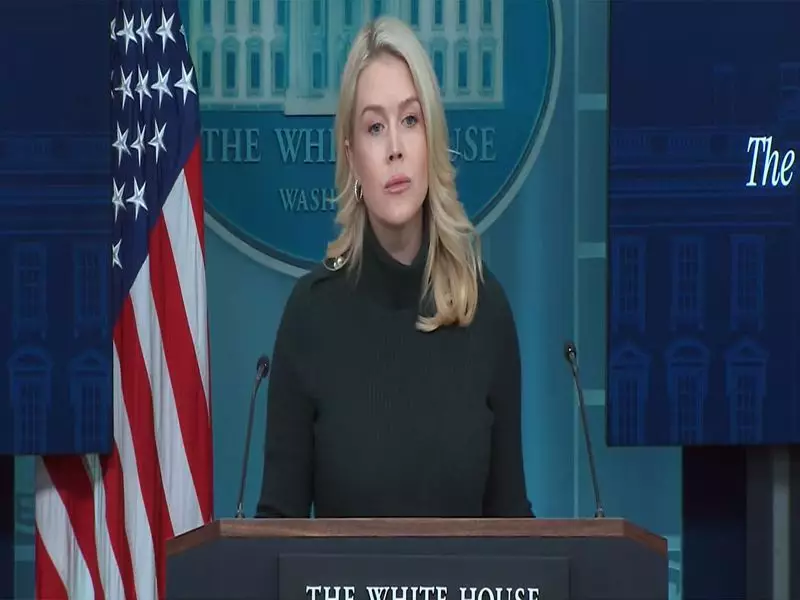
White House Stands Firm on Deportation Initiative Amid Minneapolis Shooting Controversy
The White House has publicly reiterated its support for a targeted deportation campaign, even as it faces significant backlash in the wake of a recent shooting incident in Minneapolis. This move underscores the administration's commitment to stringent immigration enforcement, despite growing criticism from advocacy groups and political opponents who argue that such policies may exacerbate tensions and public safety issues.
Backlash and Public Reaction to the Minneapolis Incident
Following the shooting in Minneapolis, which has sparked widespread debate over law enforcement and community relations, the White House's endorsement of the deportation drive has drawn sharp rebuke. Critics contend that linking immigration enforcement to such incidents could unfairly stigmatize immigrant communities and divert attention from broader systemic problems. The backlash highlights the delicate balance between national security priorities and human rights concerns, with many calling for a more nuanced approach to immigration reform.
Administration's Justification and Policy Implications
In defending its stance, the White House has emphasized the need for robust measures to address illegal immigration and enhance public safety. Officials argue that the deportation campaign is a necessary component of a comprehensive strategy to uphold the rule of law and protect American citizens. However, this position has ignited a fierce debate over the effectiveness and ethics of such enforcement actions, particularly in light of recent events that have shaken public trust.

- The timing of the deportation campaign announcement amidst the Minneapolis shooting fallout.
- Concerns over potential racial profiling and discrimination in immigration enforcement.
- The impact on immigrant communities and their integration into society.
- Political divisions and the role of immigration in upcoming electoral debates.
As the controversy unfolds, the White House remains steadfast, signaling that immigration enforcement will continue to be a cornerstone of its policy agenda. This development is likely to fuel ongoing discussions about the intersection of security, justice, and human rights in the United States.