Iran Declines Next Phase of US Negotiations
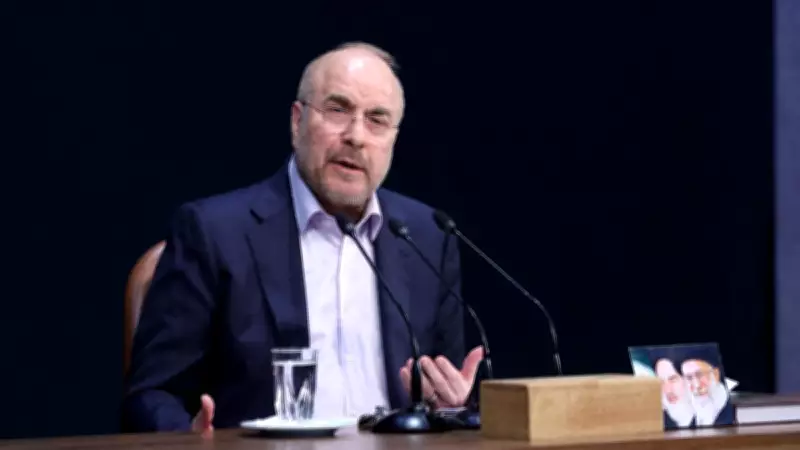
Iran's Parliament Speaker Mohammad Bagher Ghalibaf stated on Tuesday that Tehran is not prepared to proceed to the next stage of peace talks with the United States. He cited a fundamental lack of trust and the US's failure to fulfill previous commitments as the primary reasons for the impasse.
Ghalibaf's Statement on the Stalled Talks
Speaking to reporters in Tehran, Ghalibaf said, "The current conditions do not allow us to enter the next phase of negotiations. The United States has not shown the necessary will to implement its obligations." He emphasized that any future talks must be based on mutual respect and concrete actions. According to Ghalibaf, the US has repeatedly violated agreements, making it difficult for Iran to engage further.
Historical Context of US-Iran Negotiations
The peace talks between Iran and the US have been intermittent over the past few years, primarily focusing on Iran's nuclear program and regional tensions. The latest round of discussions, mediated by European and Gulf states, aimed to de-escalate conflicts in the Middle East. However, progress has been slow, with both sides accusing each other of non-compliance. The 2015 Joint Comprehensive Plan of Action (JCPOA) was a landmark deal, but the US withdrawal in 2018 under President Donald Trump derailed the process.

Impact on Regional Stability
The stalemate has broader implications for the Middle East. Iran's decision to halt talks could increase tensions with neighboring countries and affect global oil markets. Analysts warn that without diplomatic progress, the risk of military confrontation rises. The US has not yet officially responded to Ghalibaf's remarks, but State Department officials have reiterated their commitment to a diplomatic solution. The European Union, which has been facilitating the talks, expressed disappointment and urged both sides to return to the negotiating table.
Domestic Pressure in Iran
Ghalibaf's statement also reflects domestic political dynamics in Iran. Hardliners in the Iranian parliament have been critical of any engagement with the US, arguing that it undermines Iran's sovereignty. The speaker's comments may be aimed at appeasing these factions ahead of upcoming elections. Meanwhile, the Iranian public remains wary of foreign interference, with many skeptical about the benefits of negotiations.
Future Prospects for Talks
Despite the setback, diplomatic channels remain open. Iran has not entirely ruled out future talks but insists on a change in US behavior. "If the US demonstrates genuine commitment to its promises, we will reconsider," Ghalibaf added. The ball is now in Washington's court to rebuild trust. However, with the US presidential election approaching, any significant policy shift appears unlikely in the near term.