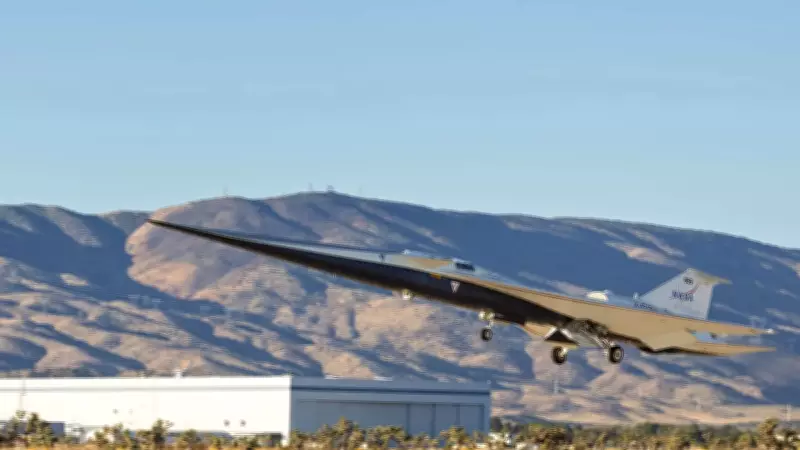
The United States is moving to lift a 53-year-old ban on supersonic flights over land, a decision that could transform air travel by allowing commercial aircraft to fly faster than the speed of sound. The Federal Aviation Administration (FAA) has proposed new rules that would replace the 1973 ban, which was enacted due to concerns over sonic booms causing noise pollution and property damage.
What the New Rules Propose
The FAA's proposed regulation would set noise standards for supersonic aircraft, rather than imposing an outright ban. This would permit supersonic flights over land if the aircraft meet specific noise level requirements. The move is seen as a major step toward bringing back commercial supersonic travel, which has been absent since the Concorde was retired in 2003. According to the FAA, the new rules would allow for the certification of supersonic aircraft that produce noise levels no louder than current subsonic planes.
Historical Context of the Ban
The ban was implemented in 1973 after the Concorde and other early supersonic jets generated loud sonic booms that disturbed communities and led to numerous complaints. The ban effectively grounded supersonic flights over US territory, limiting them to over-water routes. This stifled innovation in the aviation sector, as manufacturers had little incentive to develop quieter supersonic technology. The proposed change reflects advancements in aerospace engineering that have made it possible to reduce sonic boom intensity.

Impact on the Aviation Industry
Lifting the ban could open up a new market for supersonic business jets and commercial aircraft. Companies like Boom Supersonic and Aerion are already developing supersonic planes that promise to cut flight times in half. For example, a New York to Los Angeles flight could take just over two hours instead of five. The FAA estimates that the new rule could create thousands of jobs and generate billions of dollars in economic activity. However, environmental concerns remain, as supersonic aircraft typically consume more fuel per passenger than subsonic ones.
Challenges and Next Steps
Critics argue that even with quieter designs, supersonic flights could still produce noise levels that are disruptive to communities. The FAA has opened a public comment period to gather feedback before finalizing the rule. The agency plans to issue a final decision by 2026. If approved, the first supersonic flights over land could begin as early as 2027. The move aligns with broader efforts to modernize US aviation regulations and maintain competitiveness in the global aerospace market.