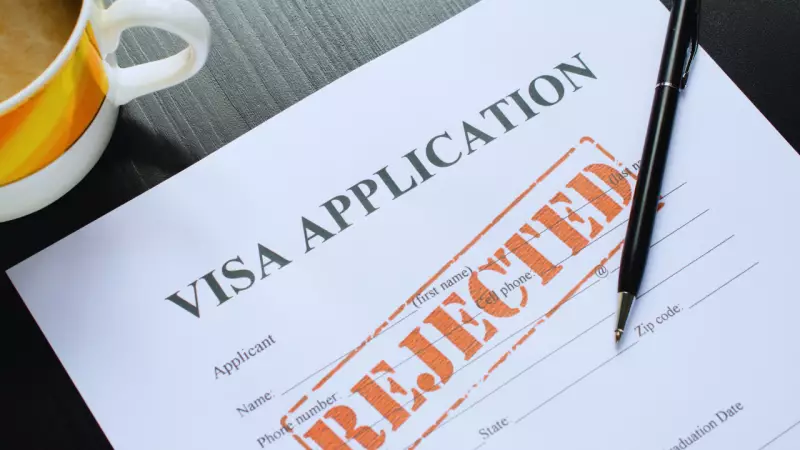
A wave of US visa rejections, particularly for business and tourist visas, has created a climate of uncertainty and frustration among Indian applicants. Numerous reports have surfaced on social media detailing sudden refusals, often with minimal explanation, shattering travel plans for many.
The Mumbai Interview: A Case Study in Minutes
This growing unease is exemplified by the recent experience of a 27-year-old professional at the US Consulate in Mumbai. She arrived for her B1/B2 visa interview with a clear agenda: to attend a business meeting with a client and their suppliers, representing her company. All details were meticulously documented in her DS-160 form.
The interview was brief. After stating her purpose, the consular officer posed a specific question: who exactly were these suppliers? While she named them and described her role in managing client-supplier relationships, the officer reviewed her application for roughly 20 seconds before handing her a refusal under section 214(b). The slip stated she had not sufficiently demonstrated strong ties to India or justified her travel purpose.

What stung most was the perceived lack of opportunity to explain. "Honestly," she later shared online, "having no visa application is better than having a rejection." Her story resonated widely, triggering a flood of similar accounts from others who faced swift denials.
Beyond the Interview: Scrutiny, Profile, and Luck
The timing of these rejections adds to a broader backdrop of visa processing delays. Since December 15, 2025, enhanced social media vetting has slowed H-1B visa stamping in India, making the entire system feel more unpredictable.
Reactions to the Mumbai case highlighted diverse perspectives on why visas are refused. Some argued that in an era of video calls, the need for in-person meetings must be exceptionally well-justified. Others pointed out that the DS-160 form often shapes the officer's decision before the interview even begins; the conversation serves to see if the applicant can counter pre-flagged concerns.
There was debate over whether her answers were too vague. Suggestions emerged that a stronger case would link the trip directly to revenue, contracts, or include a formal US invitation. However, many countered that nervous answers are rarely the sole cause. Demographic factors like age, marital status, and limited international travel history often weigh heavily. Young, single applicants in their 20s and 30s frequently face 214(b) refusals even with proper documents.
A blunt truth offered by some: sometimes, it's simply luck. Rejection rates fluctuate, and officers work under pressure. Overanalyzing every word can be counterproductive, especially if it leads to quick re-applications that accumulate refusals.
Key Takeaways for Future Applicants
The discussion yielded practical advice. Business travellers were cautioned to frame their role as strategic oversight rather than hands-on operational work in the US, which can raise red flags. Clear, supporting documentation is crucial.
Ultimately, these stories underscore a hard reality: a US visa application is never just about paperwork. In a climate of heightened scrutiny, the process feels increasingly opaque. For many, the most difficult part is the lingering doubt about what, if anything, could have changed the outcome.