The prestigious Nobel Institute has publicly clarified that it cannot award a Nobel Peace Prize to former US President Donald Trump for his role in Venezuela, directly addressing a recent political push from the South American nation's opposition. This statement quashes a campaign led by Venezuelan opposition leader Maria Corina Machado, who had publicly urged the committee to consider Trump for the honour.
The Core of the Controversy
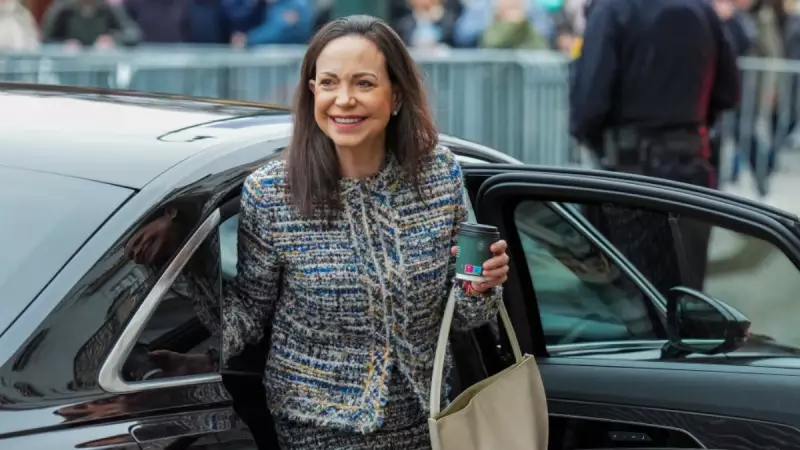
Maria Corina Machado, a prominent figure opposing the Nicolas Maduro government, made a direct appeal to the Nobel Committee. She argued that Donald Trump's administration's firm stance and sanctions policy against the Maduro regime were instrumental in creating conditions for a potential peaceful transition in Venezuela. Machado's nomination push was a strategic move to garner international support and highlight the ongoing political crisis in her country.
However, the Nobel Institute, headquartered in Oslo, Norway, was swift and clear in its response. A spokesperson for the institute stated unequivocally that they do not have the authority to award a Peace Prize based on such public appeals or political campaigns. The process, they emphasized, relies on formal nominations from qualified individuals who are invited to submit names, not on public endorsements or requests from political actors.

Understanding the Nobel Nomination Process
The institute's rejection hinges on the strict, confidential procedures governing the Nobel Peace Prize. Each year, thousands of eligible nominators—including members of national assemblies, professors, and past laureates—are invited to propose candidates. The committee then reviews these closed submissions. Public campaigns or calls from political leaders, like the one initiated by Machado, fall entirely outside this formal framework and therefore hold no official weight.
This incident underscores the delicate and often misunderstood nature of the Nobel selection process, which is designed to be insulated from direct political pressure and popular sentiment. The institute's statement serves as a reminder that the path to the Nobel Peace Prize is governed by its own established bylaws, not by the court of public opinion or geopolitical appeals.
Political Repercussions and Reactions
The episode has stirred significant political discourse. For Maria Corina Machado and her supporters, the attempt was a way to acknowledge what they see as crucial external pressure on Maduro's government. For critics of Trump, the very suggestion was controversial, given his divisive tenure. The Nobel Institute's firm rejection effectively closes this specific avenue of diplomatic spectacle, refocusing attention on the formal diplomatic and political channels for resolving the Venezuelan crisis.
Ultimately, the statement from Oslo puts an end to a short-lived but highly publicized campaign. It reinforces the protocol of the world's most famous peace award while leaving the complex situation in Venezuela unchanged. The political struggle within the country continues, independent of Nobel-related narratives.