US and Taiwan Forge Stronger Economic Ties with New Trade Agreement
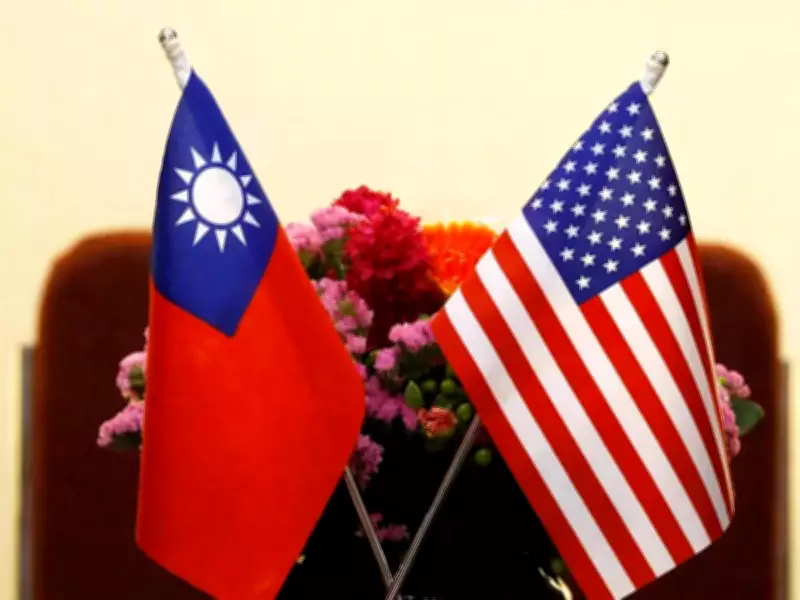
The United States and Taiwan have significantly strengthened their commercial partnership by signing a pivotal trade deal on Thursday. This agreement marks a major step in bilateral relations, focusing on reducing tariffs and fostering increased investment between the two nations.
Key Provisions of the Trade Pact
Under the newly signed accord, Taiwanese imports to the United States will benefit from lower tariffs, while Taiwan has committed to substantial purchases and investments in American products. Specifically, the deal reduces duties applied by Washington on numerous Taiwanese exports from 20% to 15%. This reduction is part of broader efforts to attract more Taiwanese capital into the US technology industry, enhancing collaboration in high-tech sectors.
Before the agreement can take effect, it must undergo review in Taiwan’s parliament, which is currently controlled by the opposition. This procedural step is crucial for the implementation of the trade terms.

Official Statements and Strategic Implications
US Trade Representative Jamieson Greer emphasized the significance of the deal, stating that it "will eliminate tariff and non-tariff barriers facing US exports to Taiwan." He added in a statement, "This agreement also builds on our longstanding economic and trade relationship with Taiwan and will significantly enhance the resilience of our supply chains, particularly in high-technology sectors."
Taiwanese Vice Premier Cheng Li-chiun highlighted the competitive advantages gained from the agreement. At a press conference in Washington, he noted that the outcome improves Taiwan’s competitive position, placing it on a "fair footing to compete with our rivals." Cheng explained, "Compared with our competitor countries, we have even gained a relative advantage, because the gap created by FTAs that previously left us behind has effectively been closed this time." He further detailed that Taipei secured "Most Favored Nation" treatment, achieving a reduction in the average charge on Taiwanese exports to the US from an initial 15% to an average of 12.33%, without stacking reciprocal tariffs.
Economic Commitments and Future Projections
A fact sheet from the US Trade Representative’s office outlines Taiwan’s intention to drive a "long-term increase in its purchases of important US goods" through 2029. These purchases are projected to include:
- $44.4 billion in liquefied natural gas and crude oil
- $15.2 billion in civil aircraft and engines
- $25.2 billion in power equipment, electricity grids, and other items
The document also notes that the United States agreed to ease its tariff levels on Taiwanese products after Taipei committed to taking "significant steps to advance a stronger and more reciprocal trade relationship." In addition, Taiwan has undertaken to cut most of its own tariff barriers and open the way for preferential access for American industrial and agricultural exports.
Background and Framework
This trade deal confirms a framework first presented in January, solidifying the strategic economic partnership between the US and Taiwan. The agreement is seen as a move to bolster supply chain resilience, especially in technology-driven industries, amid global economic uncertainties.
The enhanced trade relations are expected to not only boost bilateral trade volumes but also strengthen geopolitical ties, positioning both nations for increased cooperation in the coming years.