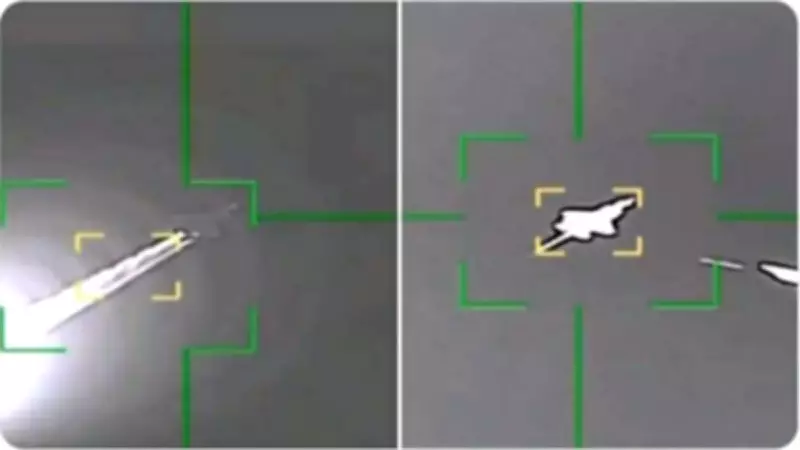
Iran's Majid Missile System: A Detailed Analysis of Its Role in Downing US Jets
In a significant escalation of military tensions in the Middle East, Iran's domestically developed Majid surface-to-air missile system reportedly shot down two United States fighter jets in early 2026. This incident has drawn global attention to the capabilities of Iranian defense technology and its implications for regional security. The Majid system, part of Iran's broader strategy to enhance its air defense network, represents a key component in countering aerial threats from adversaries.
What Is the Majid Surface-to-Air Missile System?
The Majid is a medium-range surface-to-air missile system designed and manufactured by Iran's defense industry. It is believed to be based on reverse-engineered technology from older Russian systems, such as the S-200, but with significant indigenous upgrades. The system is capable of engaging multiple aerial targets, including aircraft, drones, and cruise missiles, at ranges estimated between 150 to 200 kilometers. Its radar and guidance systems have been improved for better accuracy and electronic warfare resistance, making it a formidable asset in Iran's military arsenal.
Key features of the Majid system include:

- Advanced radar with long-range detection capabilities.
- Ability to launch multiple missiles simultaneously.
- Enhanced mobility for rapid deployment in various terrains.
- Integration with Iran's broader air defense network for coordinated operations.
The 2026 Incident: How Two US Jets Were Lost
According to reports, in April 2026, two US fighter jets, identified as F-35 Lightning II aircraft, were conducting a reconnaissance mission near the Iran-Iraq border when they were targeted by the Majid missile system. The jets were reportedly flying at high altitudes, within the operational range of the Majid, when they were struck by missiles launched from Iranian territory. Both aircraft were destroyed, resulting in the loss of pilots and escalating diplomatic tensions between the US and Iran.
This incident marked one of the first confirmed uses of the Majid system in combat, demonstrating its effectiveness against advanced stealth aircraft. US officials have acknowledged the loss but have not provided detailed comments on the technical aspects, citing ongoing investigations. Iranian state media, however, hailed the event as a victory for their defense capabilities, emphasizing the system's role in deterring foreign aggression.
Implications for Regional Security and Global Military Dynamics
The downing of the US jets by the Majid system has significant implications for military strategies in the Middle East. It highlights Iran's growing prowess in air defense technology, which could alter the balance of power in the region. Other countries, including Israel and Saudi Arabia, may reassess their aerial operations and invest in countermeasures to mitigate similar threats.
From a global perspective, this incident underscores the challenges faced by advanced military powers when operating in contested airspace. It raises questions about the vulnerability of stealth technology to evolving missile systems and the need for enhanced electronic warfare and defensive measures. Analysts suggest that such events could lead to increased arms races and diplomatic efforts to de-escalate tensions.
Key takeaways from this development:
- Iran's Majid missile system is a credible threat to modern aircraft.
- The incident has heightened risks of conflict in the Middle East.
- It may prompt other nations to upgrade their air defense and offensive capabilities.
- Diplomatic channels are crucial to prevent further escalations.
In conclusion, the Majid surface-to-air missile system represents a significant advancement in Iran's military technology, as evidenced by the 2026 incident. As tensions continue to simmer, understanding such systems is vital for assessing regional security and global military trends.