The geopolitical landscape in South America witnessed a significant and dangerous escalation as the United States military conducted a strike within Venezuelan territory. This decisive action followed a series of public threats from former US President Donald Trump against the government of President Nicolás Maduro.
The Incident: Explosions and Smoke Over Venezuelan Skies
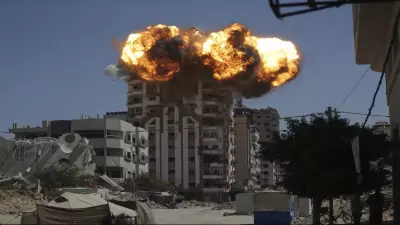
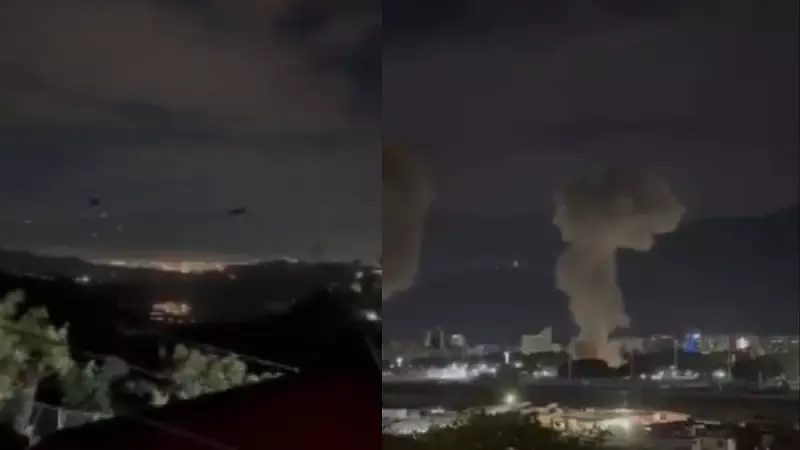
According to reports from the ground, the event unfolded with sudden intensity. Residents in the vicinity reported hearing extremely loud noises resembling sonic booms, which rattled windows and caused widespread alarm. Eyewitnesses and local sources described seeing a distinct column of smoke rising into the air, clearly marking the location of the impact. The strike specifically targeted airstrips located in the southern region of Venezuela, areas known to be used for illicit aerial activities.
The operation was framed by US authorities as a direct response to the persistent use of these airstrips by "illegal flights" involved in drug trafficking and other transnational crimes. This justification points to a long-standing US concern over Venezuela's role as a hub for narcotics movement, a charge consistently denied by the Maduro administration.

The Backdrop: Trump's Threats and Regional Tensions
This military action did not occur in a vacuum. It came on the heels of stark warnings issued by former President Donald Trump. During his recent campaign activities, Trump explicitly threatened severe consequences for President Maduro, suggesting a potential military confrontation if he were to return to the White House. These threats were amplified by the ongoing and highly contentious dispute between Venezuela and Guyana over the oil-rich Essequibo region.
The Essequibo conflict has drawn international attention, with Venezuela asserting historical claims over the territory, which constitutes a large part of neighboring Guyana. The US has firmly backed Guyana's sovereignty, further straining its already fractured relations with Caracas. Analysts suggest the strike serves a dual purpose: disrupting criminal networks and sending a powerful message of support to Guyana while demonstrating Washington's willingness to act against Maduro.
Implications and the Path Forward
The immediate aftermath of the strike has plunged US-Venezuela relations into a new deep freeze. The Venezuelan government has condemned the act as a "blatant violation of its sovereignty and international law". This incident risks triggering a broader regional destabilization, potentially drawing in other actors and escalating the existing crisis.
Key consequences to monitor include:
- Increased militarization: Venezuela may seek to bolster its air defenses and military presence along its southern border and coastal areas.
- Diplomatic fallout: The action will likely be a central point of contention at international forums like the United Nations and the Organization of American States.
- Impact on oil markets: Venezuela possesses the world's largest proven oil reserves. Any sustained conflict could introduce volatility into global energy markets.
- Humanitarian concerns: Further economic sanctions or blockades could exacerbate the existing humanitarian crisis within Venezuela, affecting civilian populations.
This event marks a dangerous pivot from diplomatic and economic pressure to overt military action in the Western Hemisphere. It underscores the volatile intersection of drug interdiction policies, regional territorial disputes, and the hardline stance of key US political figures. The world now watches closely to see how the Maduro government responds and whether this strike represents a one-off operation or the beginning of a more sustained and confrontational campaign.