

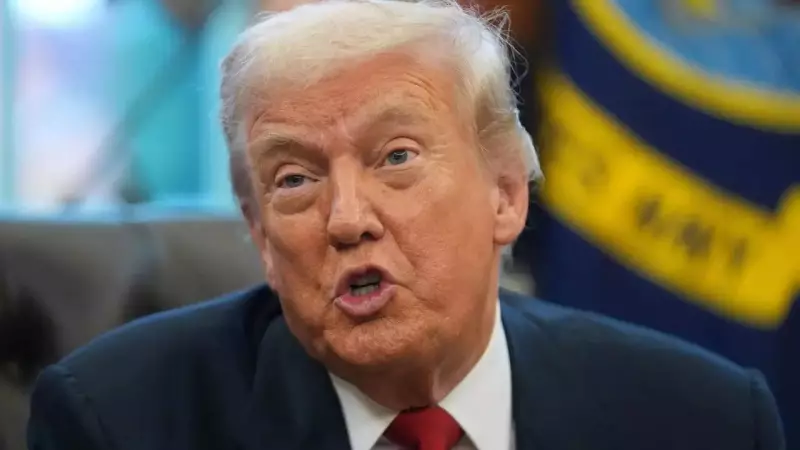
The Trump administration has significantly widened its controversial travel restrictions, adding a fresh list of 20 countries and the Palestinian Authority to its roster. This move, announced on Tuesday, effectively doubles the number of nations impacted by the sweeping limits on travel and immigration to the United States first rolled out earlier this year.
New Additions to the Banned and Restricted Lists
The administration imposed a full ban on travel to the US for citizens of five new countries: Burkina Faso, Mali, Niger, South Sudan, and Syria. In a major escalation, it also instituted a complete ban on individuals traveling with documents issued by the Palestinian Authority. This marks the latest in a series of US travel restrictions targeting Palestinians.
Furthermore, 15 additional countries now face partial travel restrictions. This list includes Angola, Antigua and Barbuda, Benin, Ivory Coast, Dominica, Gabon, Gambia, Malawi, Mauritania, Nigeria, Senegal, Tanzania, Tonga, Zambia, and Zimbabwe. The restrictions apply to both visitors and those seeking to emigrate permanently.

Rationale and Immediate Context
Officials justified the expansion by citing concerns over "widespread corruption, fraudulent documents, and high visa overstay rates" in the affected nations. They also pointed to issues like governments refusing to take back deportees and a "general lack of stability and government control" that complicates security vetting. Immigration enforcement, foreign policy, and national security were listed as the core reasons for the move.
The decision follows the arrest of an Afghan national suspected in the shooting of two National Guard troops over the Thanksgiving weekend. In the aftermath, the administration announced a series of immigration crackdowns. The administration suggested this incident prompted a review leading to the expanded ban.
Criticism and Exemptions
The expansion is expected to face fierce legal and political opposition. Critics argue the policy uses national security as a pretext for broad discrimination. "This expanded ban is not about national security but instead is another shameful attempt to demonize people simply for where they are from," said Laurie Ball Cooper of the International Refugee Assistance Project.
The restrictions do include exemptions. Lawful permanent residents (green card holders), current visa holders, diplomats, athletes, and those whose entry is deemed to serve US interests are not subject to the new rules. The administration also adjusted statuses for some countries from the original list: Laos and Sierra Leone saw upgraded restrictions, while some limits on Turkmenistan were eased due to improvements.
All measures from the June announcement, which targeted 12 countries with full bans and 7 with partial restrictions, remain in effect. The new rules on Palestinian Authority documents go further than earlier limits, now banning emigration to the US. The administration cited the presence of US-designated terrorist groups in the West Bank and Gaza and compromised vetting abilities due to recent conflict as justifications.
It was not immediately clear when these new restrictions would take effect.






