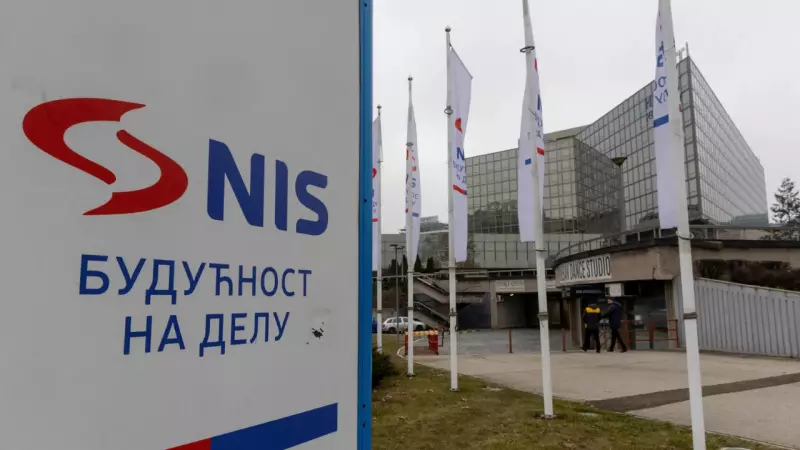
The United States has delivered a firm ultimatum to Serbia regarding its largest oil company, NIS, stating that sanctions will remain in place until Belgrade secures complete Russian withdrawal from the energy firm. Serbian Energy Minister Dubravka Djedovic Handanovic revealed the development on Saturday, warning that the country faces some of the most difficult decisions in our history in the coming weeks.
The Sanctions Standoff
NIS - the Petroleum Industry of Serbia - has been under US sanctions since 2022 as part of Washington's crackdown on Russia's energy sector following the invasion of Ukraine. The measures have dealt a severe blow to Serbia, pushing the country dangerously close to a winter energy crisis and putting its only refinery at risk of complete shutdown.
Handanovic disclosed that Belgrade had approached the Trump administration with a proposal to lift sanctions in exchange for management restructuring at NIS. However, US officials rejected this compromise and insisted on full Russian divestment from the company. For the first time, the US administration has clearly and unequivocally said it wants a complete change of Russian shareholders, she told reporters during the press briefing.

Ownership Structure and Deadline Pressure
The ownership breakdown of NIS reveals why the US position presents such a challenge for Serbia. Gazprom Neft currently holds 45% of NIS and is already sanctioned by Washington. In a significant development last September, Gazprom transferred its additional 11.3% stake to another Russian entity called Intelligence.
The Serbian state maintains nearly 30% ownership in the company, with the remaining shares distributed among minority shareholders. Despite several postponements that provided temporary relief, the US Treasury began enforcing sanctions on NIS on October 9, significantly increasing pressure on the Belgrade government.
Washington has given Serbia until February 13 to negotiate a solution that meets their demands for complete Russian withdrawal.
Potential Nationalization and Internal Resistance
Faced with this escalating crisis, the Serbian government is actively examining whether it needs to take control of NIS to prevent the country's energy system from collapsing. A special cabinet meeting has been scheduled for Sunday to address this critical situation.
Handanovic acknowledged significant internal resistance to potential nationalization, stating I know President Aleksandar Vucic is against nationalisation, as are many of us in the government. However, she emphasized the gravity of the situation, adding We will not let our country be put in danger, but we may face some of the most difficult decisions in our history in the coming days.
The Energy Minister also made a direct appeal to Moscow, saying I hope our Russian friends will understand the gravity of the situation and help us overcome it. Serbia remains one of the few European nations that has not imposed sanctions on Moscow since the Ukraine war began and continues to rely heavily on Russian natural gas.
The coming weeks will determine whether Serbia can navigate this complex diplomatic challenge while ensuring its energy security during the critical winter months.