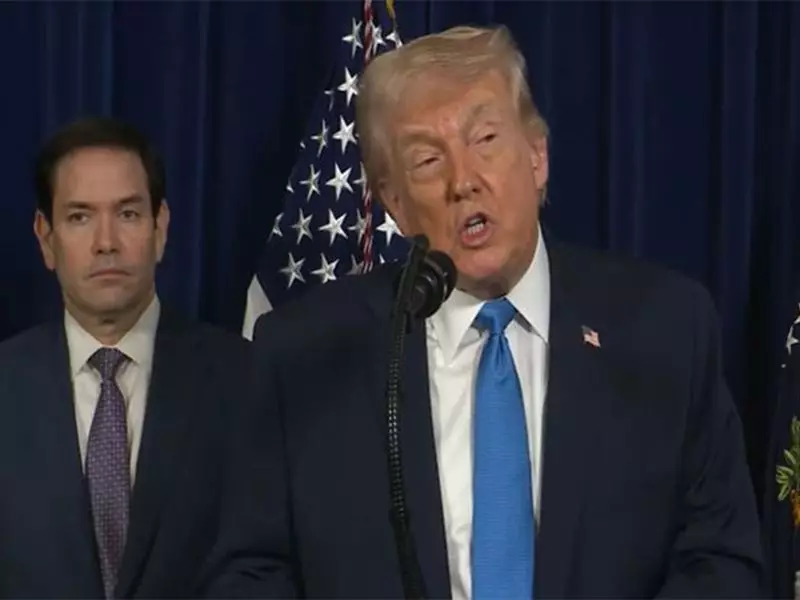
Former US President Donald Trump has made a striking declaration about his potential return to power, stating his intention to "run the country" until a proper transition can be secured. This bold statement came during a speech at his Mar-a-Lago estate in Florida, delivered shortly after he ordered a series of military strikes on targets in Venezuela.
Mar-a-Lago Address Follows Military Action
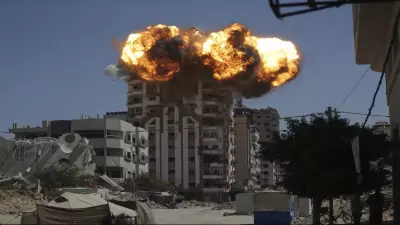
The dramatic sequence of events unfolded on a Saturday evening. Following the authorization of strikes against Venezuela, Trump addressed a gathering of supporters and media. He framed the military action as a necessary response, though specific details on the targets or the scale of the operation were not immediately disclosed in his remarks.
In his speech, Trump emphasized the need for strong leadership. "We're going to run the country until we can do a safe, proper, and judicious transition," he asserted. This comment has been widely interpreted as a clear signal of his unwavering campaign to return to the White House in the upcoming presidential election, positioning himself as the figure needed to manage national security crises.

Context of Venezuela Strikes and Political Ambitions
The decision to launch strikes against Venezuela represents a significant escalation in US foreign policy under a potential future Trump administration. While the former president did not elaborate on the strategic objectives, the action aligns with his longstanding hardline stance against the government of Nicolas Maduro, which the US does not recognize as legitimate.
Analysts suggest that Trump's coupling of the military action with his political rhetoric is a calculated move. It serves a dual purpose: demonstrating decisive command as a leader while directly appealing to his voter base with a promise of continued and forceful governance. The phrase "judicious transition" is particularly notable, as it implies a distrust of the current administration's capabilities and frames his own role as essential for national stability.
The immediate international reaction has been one of concern. Allies and adversaries alike are closely monitoring the implications of such pre-election military maneuvers and the accompanying political narrative from a leading candidate.
Implications for US Politics and Global Stability
Trump's statement and the accompanying military action have instantly become a central flashpoint in the US political landscape. Opponents have criticized the move as reckless, arguing it intertwines campaign politics with serious matters of state and military force. Supporters, however, have hailed it as evidence of the strong, unilateral leadership they believe is currently lacking.
The incident raises profound questions about:
- The precedent of a presidential candidate ordering military actions as a private citizen.
- The potential impact on ongoing diplomatic relations in Latin America.
- The volatility introduced into an already heated election cycle.
The situation remains fluid, with the Biden administration expected to issue a formal response to both the strikes on Venezuela and Trump's unprecedented remarks about running the country. The events underscore the deeply unconventional nature of the current political era, where the lines between campaign rhetoric, actual policy, and the use of military force appear increasingly blurred. The world now watches to see how this declaration of intent to govern translates into the realities of the campaign trail and America's role on the global stage.