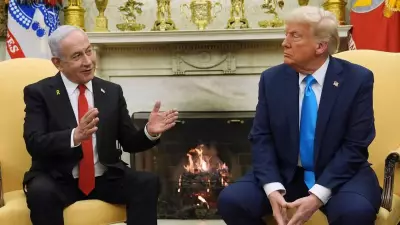
In a significant policy announcement, former United States President Donald Trump has laid out an ambitious vision for American military dominance. He has proposed a colossal defence budget of $1.5 trillion for the fiscal year 2027, a move he claims will enable the nation to construct its "dream military." This proposal, made public on January 8, 2026, signals a potential dramatic shift in US defence priorities should Trump return to power.
The Vision for a 'Dream Military'
Donald Trump's announcement frames the massive budgetary allocation as a necessary step to restore and surpass American military supremacy. The former President argued that current spending levels are insufficient to counter emerging global threats and maintain a decisive edge over strategic competitors like China and Russia. The proposed $1.5 trillion figure represents a substantial increase over recent defence budgets and is central to his campaign's national security platform.
Trump emphasised that this financial commitment would not merely maintain the status quo but would fund a comprehensive modernization drive. The plan reportedly includes accelerated development and procurement of next-generation weaponry, including advanced naval vessels, a bolstered nuclear arsenal, cutting-edge fighter jets, and robust missile defence systems. A key pillar of the proposal is to ensure the US military is "larger, smarter, and more lethal" than any potential adversary.

Strategic Implications and Global Reaction
The unveiling of such a hefty defence budget proposal is certain to have profound ramifications, both domestically and internationally. Within the United States, it is expected to ignite a fierce debate over fiscal priorities, especially concerning allocations for social programs, infrastructure, and debt reduction. Critics are likely to question the sustainability and necessity of such a dramatic spending hike.
On the world stage, this announcement will be closely scrutinised by allies and rivals alike. Nations in the Indo-Pacific region, including India, which closely monitors the balance of power vis-à-vis China, may view a strengthened US military posture as a stabilizing factor. However, it could also accelerate global arms races and heighten tensions. The proposal underscores Trump's "America First" doctrine, suggesting a foreign policy heavily reliant on unmatched military might rather than multilateral diplomacy.
Focus on Modernization and Deterrence
Details emerging from the proposal indicate a strong focus on domains like cyber warfare, space, and artificial intelligence. Trump stated that the budget would allow for significant investment in these frontier technologies, which are increasingly seen as critical to future combat. The objective is to create a force that can deter conflicts across all domains—land, sea, air, space, and cyberspace.
Furthermore, the plan addresses troop welfare and readiness, proposing funds for better pay, improved housing, and enhanced training facilities. The underlying message is that building the "dream military" requires not just advanced hardware but also a motivated and well-supported personnel.
As the 2026 political landscape takes shape, this defence budget proposal establishes a clear benchmark for Trump's national security agenda. It presents voters with a stark choice regarding the nation's role in the world and the price of perceived security. The coming months will reveal how this plan influences policy debates and whether it resonates with the American electorate's priorities.